

Let’s be frank: link-building isn’t easy. It’s one of the most powerful ways to improve SEO, but it’s also one of the most frustrating. Without the right tools, you’re left guessing, wasting time, and chasing dead ends.
A 2024 survey by Aira found that nearly half of SEO professionals (52.6%) consider link-building the hardest part of their job. Why? Because the process is unpredictable and resource-intensive (especially time).
That’s where the right link-building tools make all the difference. From spotting relevant linking opportunities to automating your outreach process and tracking your backlink profile, good tools help you build links that actually matter. And do it much more efficiently.
This guide breaks down the top tools we trust for every stage of the process. Whether you’re running a small link-building campaign or managing outreach across dozens of clients, you’ll find options that fit your workflow and your goals.
TL;DR: Best Link-Building ToolsLink-building is one of the hardest parts of SEO, but the right tools make it manageable.
You don’t need every tool. The smart move is building a lean stack that supports research, outreach, and tracking. Or, partner with a team (like us) that already has the systems in place. |
What Is Link-Building?
Link building means getting other websites to point their readers to your content through clickable, external links, also known as backlinks. These links serve as signals to search engines, indicating that your site is worth paying attention to.
But here’s the catch: not every backlink helps. One strong link from a reputable, relevant site can do more for your rankings than a dozen low-quality ones.
That’s why the most effective strategies don’t chase numbers. Instead, they focus on finding the right link-building options, sending well-crafted outreach emails, and building links that drive results.
Whether you’re pitching guest posts, reclaiming broken links, or responding to source requests from journalists, solid link-building helps establish credibility.
When done well, it improves your visibility in search engine results, increases referring domains, and strengthens your backlink profile, all of which help your content compete at the top.

Why You Need Tools to Find Link-Building Opportunities
Doing link-building by hand? It’s a grind. Between searching for good sites to reach out to, writing emails, and tracking who replied (and who didn’t), it’s easy to get overwhelmed and even easier to lose track of what’s working.
That’s why smart link builders rely on link-building software. They take the repetitive work off your plate, help you uncover better link opportunities, and keep the entire outreach process organized.
Instead of juggling everything in spreadsheets, you can focus on what actually drives results: building relationships, earning quality backlinks, and improving your site’s authority in a measurable way.
What Are Link-Building Tools? Features Explained
Link-building tools include a wide range of software tools designed to help website owners, marketers, and SEO professionals acquire and manage backlinks to their websites.
While different link-building tools can include various features, here are some of the main functions that these tools cover:
- Backlink Analysis: These tools provide insights into your existing backlink profile, including the number of backlinks, their quality, and their source websites.
- Competitor Analysis: Link-building tools often allow you to analyze your competitor’s backlink profiles, helping you identify potential link opportunities.
- Prospecting: They help you discover websites and influencers in your niche or industry that you can reach out to for link-building opportunities.
- Outreach and Communication: Some tools automate email outreach, making contacting website owners or bloggers for link placements or guest posting easier.
- Monitoring: Link-building tools can track the status of your outreach efforts, notify you of new backlinks, and even monitor for broken or lost links.
- Link Quality Assessment: They often provide metrics and algorithms to assess the quality and authority of potential backlinks, ensuring you pursue high-quality links.
- Disavowal Management: Some tools help you manage and submit disavow files to search engines to disassociate your site from low-quality or harmful backlinks.
Some link-building tools take an all-in-one approach and include link-building features as part of a broader SEO platform. Other tools are more focused and cover a single link-building function.

11 Best Link-Building Tools for the Entire Link Building Process
Whether you’re researching prospects, running outreach, or tracking what’s working, the right setup matters.
Each of the link-building tools listed below serves a clear purpose, and this roundup focuses on link-building software designed to help you stay organized, work more efficiently, and achieve better results in 2026.
Quick Comparison Table: Best Link-Building Tools at a Glance
| Tool | Best For | What It Does |
| Ahrefs | Backlink research | Analyzes backlink profiles, competitor links, referring domains, and content-based link opportunities |
| Semrush | All-in-one SEO | Backlink audits, gap analysis, prospecting, toxic link detection, keyword and competitor research |
| Moz | Authority scoring | Domain Authority, Brand Authority, backlink analysis, spam score checks |
| Pitchbox | Outreach automation | Email sequencing, follow-ups, prospect vetting, campaign tracking |
| BuzzStream | Relationship management | Outreach CRM, contact organization, team collaboration, email tracking |
| Hunter.io | Contact discovery | Finds and verifies professional email addresses for outreach |
| Respona | PR-style outreach | AI-assisted outreach, journalist prospecting, campaign automation |
| HARO | Media backlinks | Connects experts with journalists for high-authority link placements |
| Majestic | Trust Flow analysis | Trust Flow, Citation Flow, historical backlink data, anchor text insights |
| Broken Link Checker | Broken link-building | Identifies broken links on websites for replacement outreach |
| LinkMiner | Simple backlink analysis | Easy-to-use backlink research with authority and link metrics |
1. Ahrefs: Best for Backlink Research
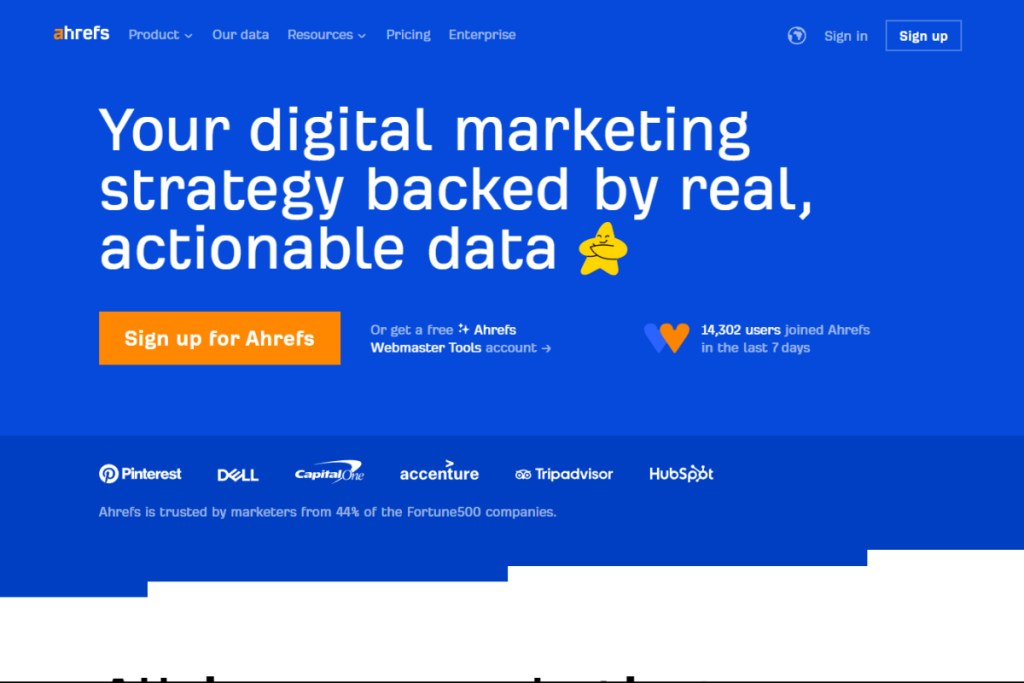
Ahrefs has earned its place as a go-to platform for SEO specialists who want real insights into their sites and their competitors’.
With a live link index that tracks trillions of URLs, it’s one of the most reliable ways to see how your backlink profile stacks up, uncover new link-building opportunities, and monitor referring domains as they come and go.
One of its most useful upgrades is in Content Explorer, which now lets you filter by engagement and topic to surface timely, linkable content. You can quickly spot strong link prospects based on what’s getting traction right now.
Plus, with features like outbound link click data and expanded keyword difficulty scoring across dozens of international markets, Ahrefs goes far beyond basic research. It’s a top link-building tool and a strategic SEO tools command center.
2. Semrush: Best All-in-One SEO Suite
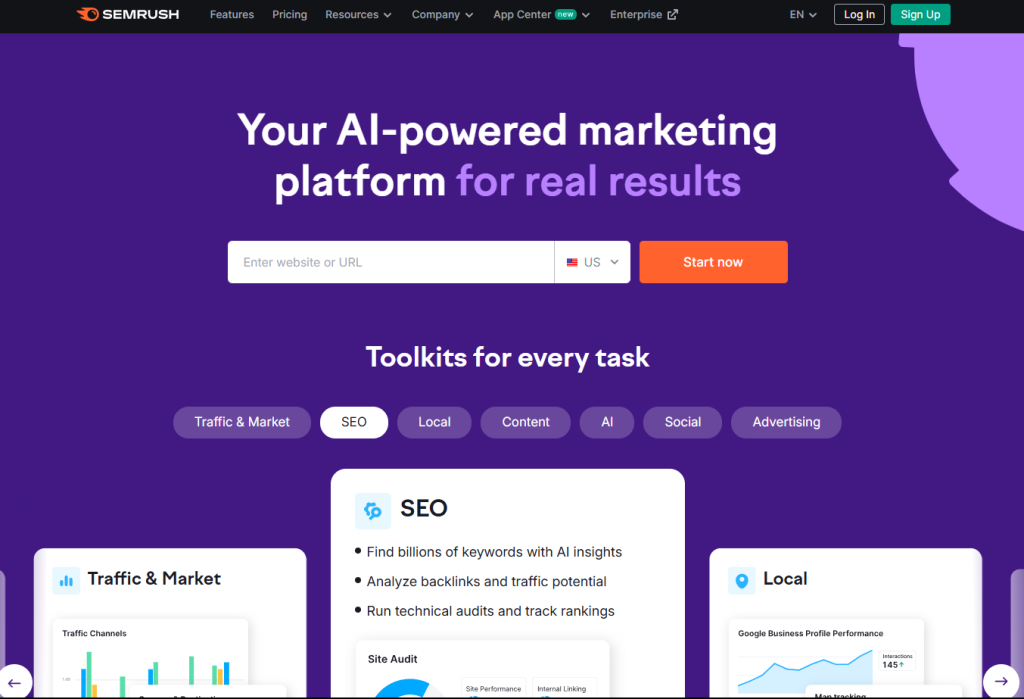
Need a tool that handles more than just backlinks? Semrush pulls double (and triple) duty, covering everything from competitor research and keyword tracking to link-building and on-page optimization. It’s a go-to for link builders and SEO specialists who want everything in one place.
One standout is the Backlink Gap feature, which shows you exactly where other sites are earning links you’ve missed. Pair that with its Link-Building Toolkit, toxic link audits, and massive keyword database (45+ billion strong), and you’ve got a setup that supports your entire link-building process, without bouncing between platforms.
It’s link-building software designed to grow with you.
3. Moz: Best for Authority Scoring
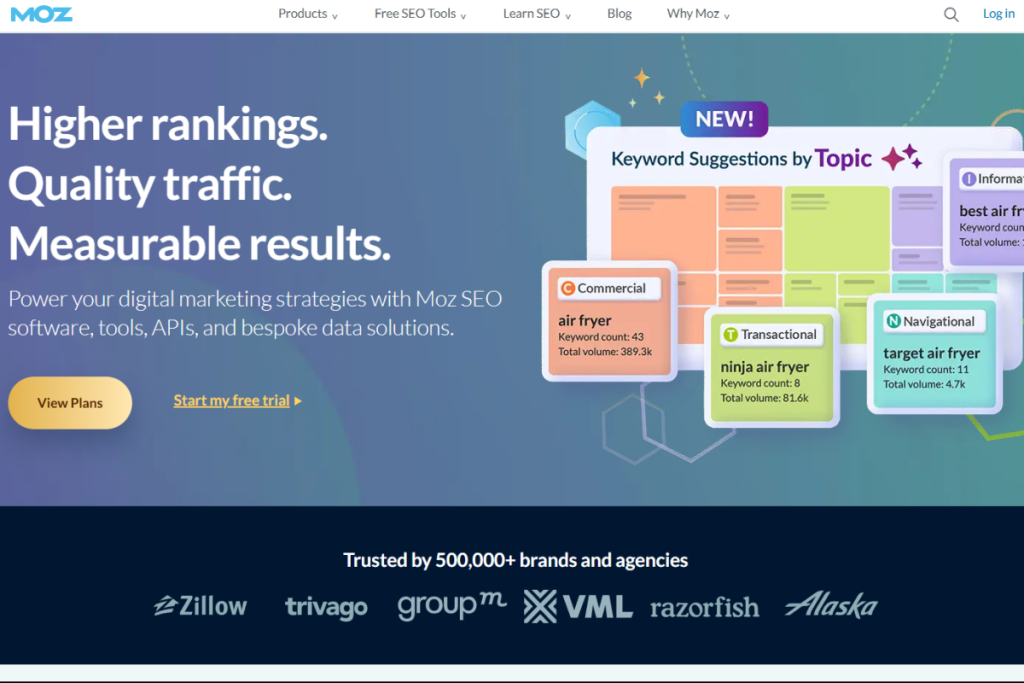
Moz has long been a trusted tool for evaluating the trustworthiness of a site, especially when sorting through a list of potential link prospects. Its well-known Domain Authority (DA) score is still widely used across the industry, offering a quick sense of a website’s SEO strength.
Recently, Moz rolled out Brand Authority, which adds another layer of context by showing how strong a site’s overall reputation is, not just its ability to rank. It’s especially useful if you’re aiming for backlinks from well-known, credible brands.
With Link Explorer, you can check out a site’s backlink profile, identify questionable links, and get a feel for how it stacks up against competitors. And if you’re working inside search results, MozBar lets you check authority scores instantly, so you’re not wasting time clicking through every URL.
If you’re actively building a shortlist for outreach or evaluating a potential guest post opportunity, Moz gives you the kind of at-a-glance data that helps you move quickly without guessing.
4. Pitchbox: Best for Outreach Automation
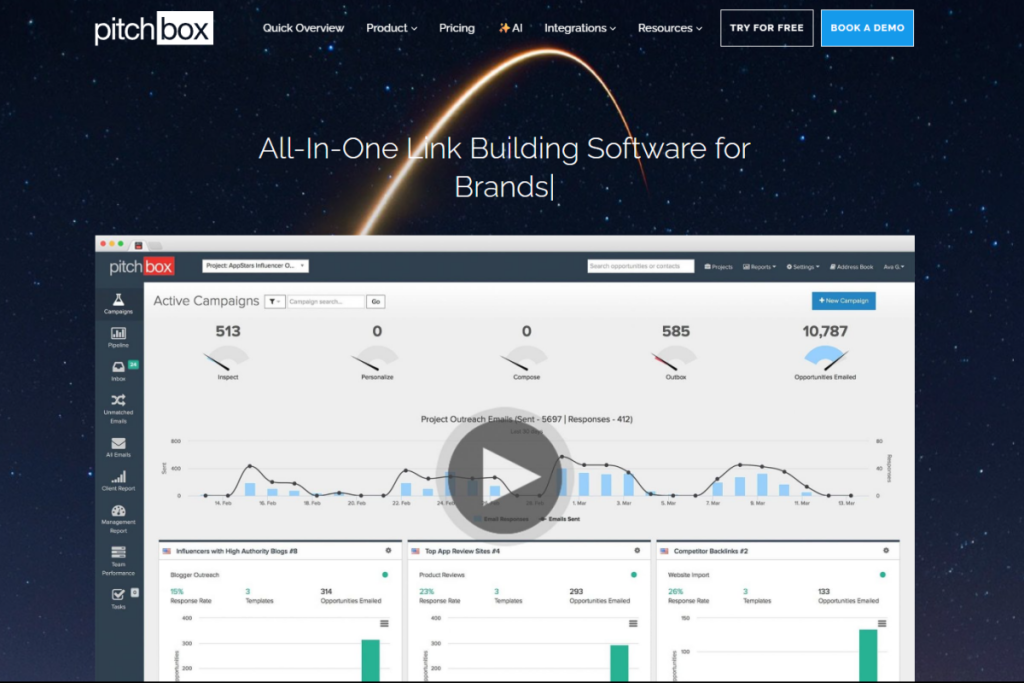
Managing link outreach manually is cumbersome, especially when juggling multiple campaigns or clients. Pitchbox takes that mess off your hands. It’s tailored for link-building specialists who need a better way to manage outreach without sacrificing personalization.
You can build custom email templates, schedule thoughtful follow-ups, and track every touchpoint from a single dashboard. One of its biggest strengths is how it connects with platforms like Ahrefs and Moz, allowing you to pull in data such as spam score, domain authority, and other key SEO metrics to vet sites before reaching out.
While it comes with a steeper price tag than some alternatives, it’s a workhorse. For agencies or teams doing outreach at scale, it delivers structure, saves hours, and helps you build better links with fewer headaches.
5. BuzzStream: Best for Relationship Management
BuzzStream is a solid choice if you’ve ever found yourself digging through old emails trying to remember who you contacted or what you said. Think of it as a CRM built specifically for link-building.
It keeps everything in one place: conversations, contact details, campaign history — so you can stay on top of your outreach without getting buried in spreadsheets.
You can sort and tag contacts, group them by campaign, and even prioritize prospects based on their level of engagement. With built-in email templates, scheduling tools, and shared access for teams, it’s instrumental when you’re juggling several projects at once or working with a larger outreach team.
If your approach to link-building is more relationship-driven than spray-and-pray, BuzzStream gives you the structure and visibility you need to scale, without losing that personal touch.
6. Hunter.io: Best for Finding Contact Info
Digging through websites to find the right contact gets old fast. Hunter.io makes that part of link-building a whole lot easier. Simply enter a domain, and it retrieves verified email addresses associated with that site, often accompanied by names, job titles, and the source of the information.
It’s conducive when you’re trying to reach a real person instead of a generic inbox. You can also search by name and company, verify emails before sending (to avoid bounce backs), and even bulk upload lists if you’re working on a larger campaign.
7. Respona: Best for PR + Link-Building Outreach
Respona blends PR-style pitching with innovative link-building software designed for scale. It’s built for teams who need to send high-quality, targeted emails, not just blast the same message to 100 websites.
Start by searching for link prospects based on topic or competitor. Then use Respona’s built-in AI suggestions to help craft personalized outreach messages. It even takes care of follow-ups and reply tracking, so nothing slips through the cracks.
Respona is especially useful if you’re aiming for high authority backlinks from publications, journalists, or blog editors. It works well for guest post pitches, source requests, and news article placements, and helps you manage the entire process from a single dashboard instead of switching between multiple tools.
8. HARO: Best for Media Link Opportunities
HARO (Help a Reporter Out) connects you directly with journalists and bloggers seeking expert input, providing an opportunity to earn high-authority backlinks from reputable sites like Forbes, Inc., or The New York Times.
Since its relaunch in 2025, HARO has improved how it matches queries with sources. You can now filter by topic, get real-time updates, and quickly spot relevant requests that fit your niche. If you’re in the habit of checking HARO daily and sending thoughtful replies, it’s one of the most accessible ways to land powerful media links.
Want to stay organized? Use a spreadsheet or plug HARO into your existing link-building outreach tool to track which queries you’ve answered and what’s still pending. It’s not instant gratification, but when it works, the payoff is well worth the effort.
9. Majestic: Best for Trust Flow and Historical Link Data
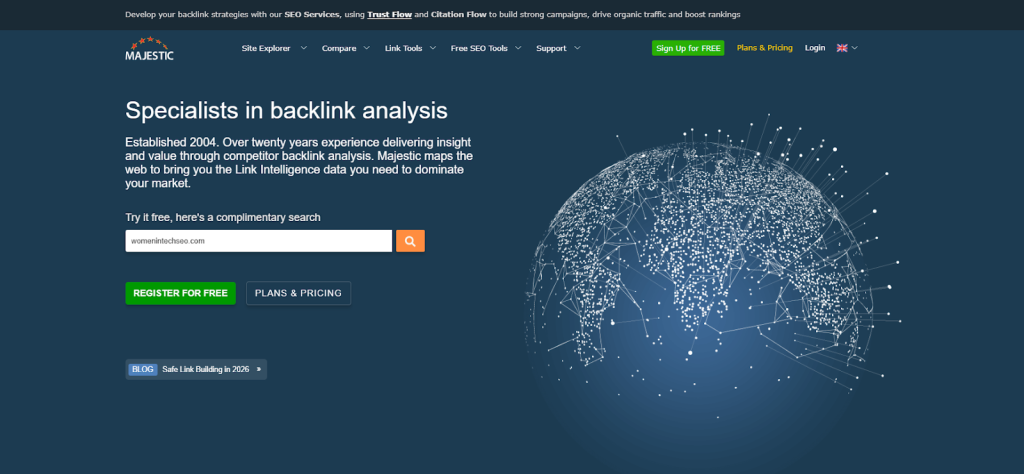
Are you looking for a simple and budget-friendly solution for backlink analysis? Then Majestic is a great choice.
Majestic is renowned for its detailed backlink data. It offers Trust Flow and Citation Flow metrics, which help assess the trustworthiness and influence of backlinks. The platform is excellent for helping you find link-building prospects and track your progress over time.
To use the platform, paste your URL, and Majestic will generate a detailed backlink report. This report includes the usual backlink metrics, like anchor text analysis, referring domains, and the number of backlinks.
You can also see how many backlinks the website gets from highly trusted websites. This helps you establish the general authority and competitiveness of the site.
Its extensive link database and historical data make it a fantastic tool for link-building professionals. However, although the platform is straightforward and cost-effective, its UX is dated and doesn’t offer as many SEO possibilities as other tools do.
10. Broken Link Checker: Best for Broken Link Building
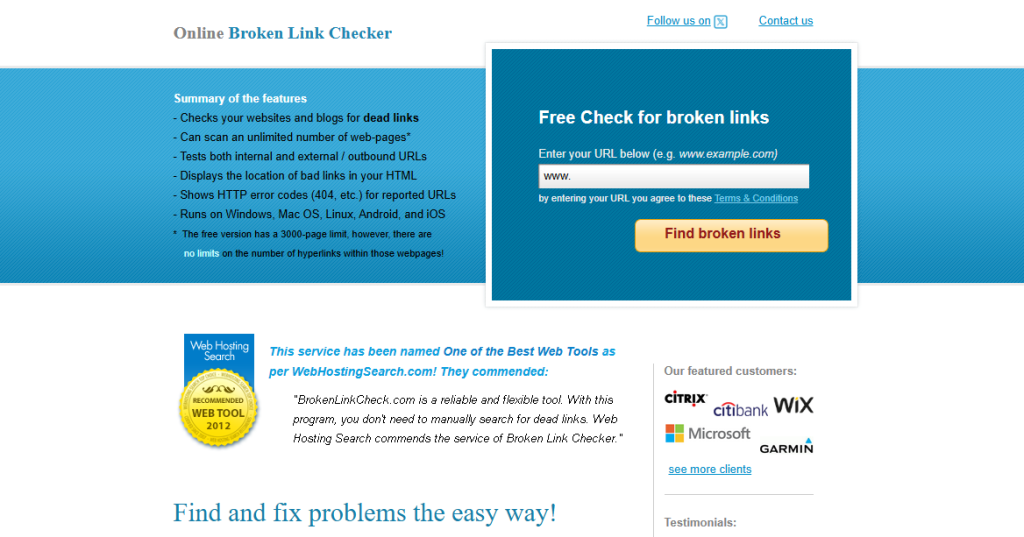
Broken Link Checker is a straightforward yet effective tool for finding broken links on websites within your niche.
By identifying broken links, you can contact site owners and suggest replacing them with your relevant content. This tactic helps improve website user experience and provides opportunities for natural link acquisition.
There’s nothing fancy about the tool, and it’s free to use. But it does the job perfectly if you’re looking for broken links. This is a valuable addition to any link-building toolkit.
11. LinkMiner: Best for Beginner-Friendly Backlink Analysis
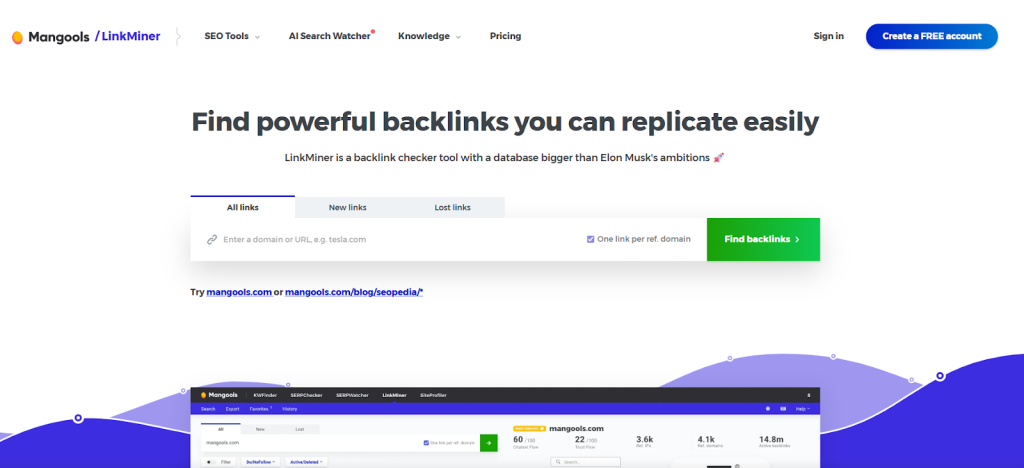
LinkMiner, part of the Mangools suite, is a user-friendly backlink analysis tool.
It lets you analyze the backlinks of any website, providing critical metrics like Citation Flow and Trust Flow. By identifying valuable link-building opportunities and potential link partners, LinkMiner simplifies the process of building high-quality backlinks.
LinkMiner is straightforward to use, yet it offers some excellent insights into backlinks.
How to Choose (and Actually Use) the Right Tools
Before buying any tool, take a step back. What do you actually need help with? The link-building process isn’t just one task. It includes research, outreach, tracking, and reporting, and most tools aren’t built to do everything.
The smart move is to pick tools based on the stage you’re trying to improve. Here’s how to do that.
1. Identify Your Core Link-Building Goals
Figure out what you’re trying to accomplish first. Do you want to secure high-authority backlinks from top-tier news articles? Are you focused on sending better email outreach for guest posts? Or maybe your priority is keeping an eye on your backlink profile, spotting broken links, spammy domains, or anchor text analysis?
Each of these goals calls for different features. Some tools are great at helping you find link-building connections through journalist requests or content research. Others are made for backlink analytics, SEO metrics, or even scoring link prospects based on relevance.
2. Match Tools to Each Stage of the Workflow
To get the most out of your tools, it’s worth mapping them to each stage of your link-building process, from finding prospects to tracking performance.
Research and Prospecting
Start by identifying websites that make sense to reach out to. Tools like Ahrefs and Google Search Console can help you identify link opportunities, investigate competitor referring domains, and explore topical trust flow.
If you’re keeping an eye out for brand mentions or trending content, BuzzSumo and Google Alerts are great for catching fresh, relevant leads as they appear.
Outreach and Follow-Ups
Once you’ve built your prospect list, it’s time to find the right people to contact. Tools like Hunter, Snov.io, and FindThatLead help pull verified email addresses and contact details.
From there, platforms like Pitchbox, Mailshake, or Respona can help you manage your link-building efforts, set up customizable outreach templates, and automate follow-ups so nothing slips through the cracks.
Tracking and Reporting
To understand what’s working, you’ll need to monitor your backlink profile closely. Tools like SE Ranking and Linkody enable you to track key metrics, such as spam score, trust flow, and which links are delivering traffic or contributing to rankings. Having this data in one place makes it easier to adjust your strategy as you go.
3. Combine Tools into a Streamlined Workflow
You don’t need a dozen platforms to build an effective link-building strategy, just a few solid tools that play well together. Here’s an example of a lean, reliable setup:
- Ahrefs: Great for digging up link prospects, analyzing what’s working for your competitors, and filtering sites’ links worth reaching out to.
- Hunter: Makes it quick to track down and verify email addresses, so you’re not guessing who to contact or risking a bounce.
- Pitchbox: Helps you organize your outreach from top to bottom. You can customize emails, automate follow-ups, and keep tabs on replies without losing the thread.
You don’t need every bell and whistle. What matters is that each tool fills a specific role in your workflow and helps you move faster without sacrificing quality. Start with the essentials, test what works for you, and refine as you grow.
Why You Don’t Have to Handle Link-Building Yourself
You can run your own link-building campaign; plenty of people do. And the tools we’ve covered here? They absolutely work. However, what most articles overlook is that building quality backlinks requires time, and a lot of it.
Finding the right sites, writing solid pitches, following up (more than once), and making sure the links are actually worth it is time-intensive. If you’re already managing clients, content calendars, or running a business, link-building often ends up pushed to the bottom of the list.
That’s where we step in.
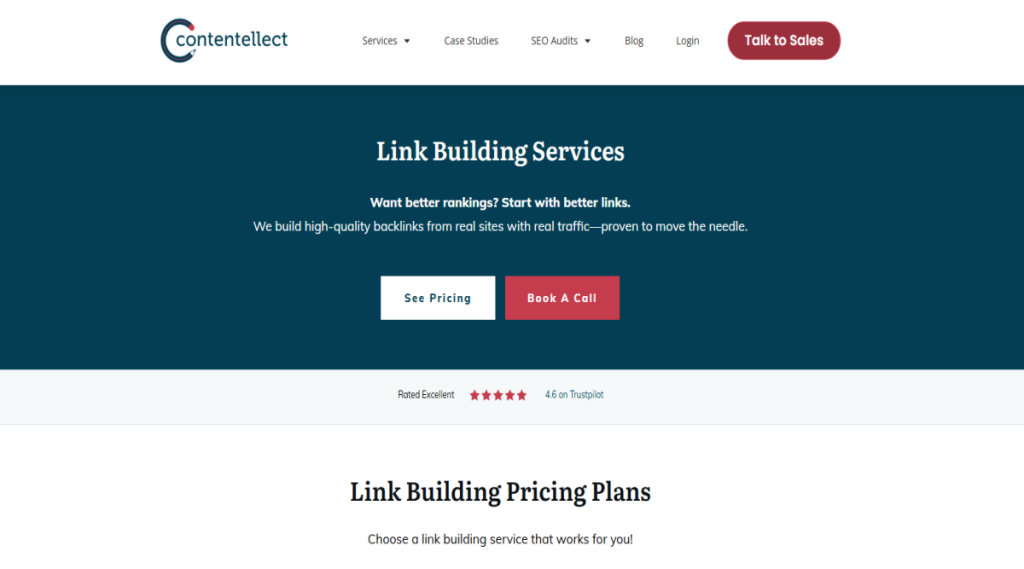
At Contentellect, we’ve built link-building services that handle everything (strategy, prospecting, writing, and outreach) without cutting corners. Our team uses the same top link-building tools, but with processes we’ve refined over hundreds of campaigns.
Instead of juggling four different tools, chasing replies, and hoping something sticks, you get high authority backlinks delivered by a team that knows what works.
Final Thoughts on Link-Building Tools That Actually Work
The best link-building tools are the ones that help you find backlink opportunities, streamline your entire link-building process, and grow your domain authority without creating extra busywork.
Keep your stack lean. Use each tool with purpose. And remember, great tools support great strategy, but they don’t replace it.
Want a more structured way to find relevant link-building opportunities and earn high authority backlinks without the hassle?
We can help. At Contentellect, we specialize in link-building services that move the needle.
Whether you’re looking for scalable guest posts, niche edits, or HARO outreach campaigns, we’ve got the team and systems to deliver.
Discover our link-building services and learn how we help agencies and businesses establish meaningful links.
