

With AI systems like Google’s Gemini now shaping how content is discovered, traditional SEO tactics are no longer enough. Instead of chasing rankings with keywords alone, the focus has shifted to creating genuinely helpful content that answers real questions and does so quickly.
What does that mean for your writers and content optimization?
In short, your content needs to work for both humans and machines. It needs structure. Clarity. Context. It needs to reflect what users actually want to know. As AI search reshapes how consumers discover information, marketers are being pushed to rethink traditional SEO strategies and prepare for a new era of AI-driven discovery. This shift isn’t optional and it’s already underway.
So, without further ado, let’s break down how to optimize content for AI search and practical tips on content structure, technical SEO, and how to align with AI-driven algorithms without losing your human touch.

What Is AI Search?
But first, what exactly is AI search? AI search refers to search engines that use artificial intelligence, like large language models (LLMs), to understand queries in a more human way. That way, they’re able to deliver answers that feel conversational and relevant rather than robotic.
Instead of just matching keywords, these systems interpret the intent behind your question. They don’t just pull links. They aim to deliver a full answer, often right on the search engine results page (SERP).
Great examples of this are Google’s AI Overviews, as well as tools like Perplexity and ChatGPT, which summarize answers using data from multiple sources.
A Quick Look Back at AI Search
The shift to AI search didn’t happen overnight. Google’s move from simple keyword matching to AI-driven understanding has been gradual and began more than a decade ago, longer than most people assume.
It began with updates like Hummingbird (2013), which focused on query context, followed by RankBrain (2015), which introduced machine learning into the algorithm. BERT (2019) brought in natural language processing, and now Gemini is taking it a step further with generative capabilities.
Other search engines are following suit. Bing has integrated OpenAI’s models and platforms like You.com and Brave are pushing AI-powered search even further, and even niche tools like Andi and Neeva (before it shut down) tried their hand at rethinking how we find information.
In short, AI search engines are curating answers. That has major implications for how we create content, especially if we want to stay visible in an industry where direct answers often come before clickable results.
 6 Top Strategies to Optimize Content for AI Search

If you want your content to appear in AI-driven search results, not just traditional SERPs, you’ll need to think differently about how it’s written, structured, and presented.
These strategies are designed to help your content stand out to both users and AI systems scanning for relevance, clarity, and direct answers.
1. Structure Content for Skimmability and Context
AI-powered search engines analyze how content is structured just as much as what it says. If your page is a wall of unorganized text, it’s unlikely to perform well in AI-driven search results.
Here’s how to fix that:
- Use hierarchical headings (H1-H4): This helps both AI and users understand the content’s flow. Each heading should clearly reflect what the following section delivers.
- Short paragraphs (2–4 lines max): Dense blocks of text increase bounce rates. Shorter paragraphs improve readability, especially on mobile devices.
- Bullet points and numbered lists: AI tools often extract these as “direct answers” in SERPs and AI Overviews.
- Table of contents with jump links: This is both user-friendly and sends signals to search engines about the layout and importance of different content sections.
- Clear, descriptive subheadings: A vague H3, such as “More Details,” won’t suffice. Use headings like “Benefits of Structured Data for SEO” to reinforce context.
Structured content helps AI models analyze and present information more effectively, increasing your chances of appearing in featured snippets or generative summaries.
2. Write in Natural, Conversational Language
AI models like Gemini, ChatGPT, and Claude are trained on human conversation. If your content reads like it was written for a textbook, it’s unlikely to rank or be pulled into an AI summary.
When you write:
- Write like you’re answering a real person’s question: AI search engines are designed to match user queries that often sound like “How do I optimize content for AI search?” and not “AI content optimization methodologies.”
- Use contractions (like you’re, it’s, we’ve): They mimic how people actually speak and improve flow.
- Avoid jargon unless it’s essential: When you do use technical terms, explain them in plain English. For instance, if you mention “structured data,” clarify that it refers to HTML tags that help search engines understand your page.
Ultimately, you want to make your content approachable and easier for both AI and users to understand and engage with.
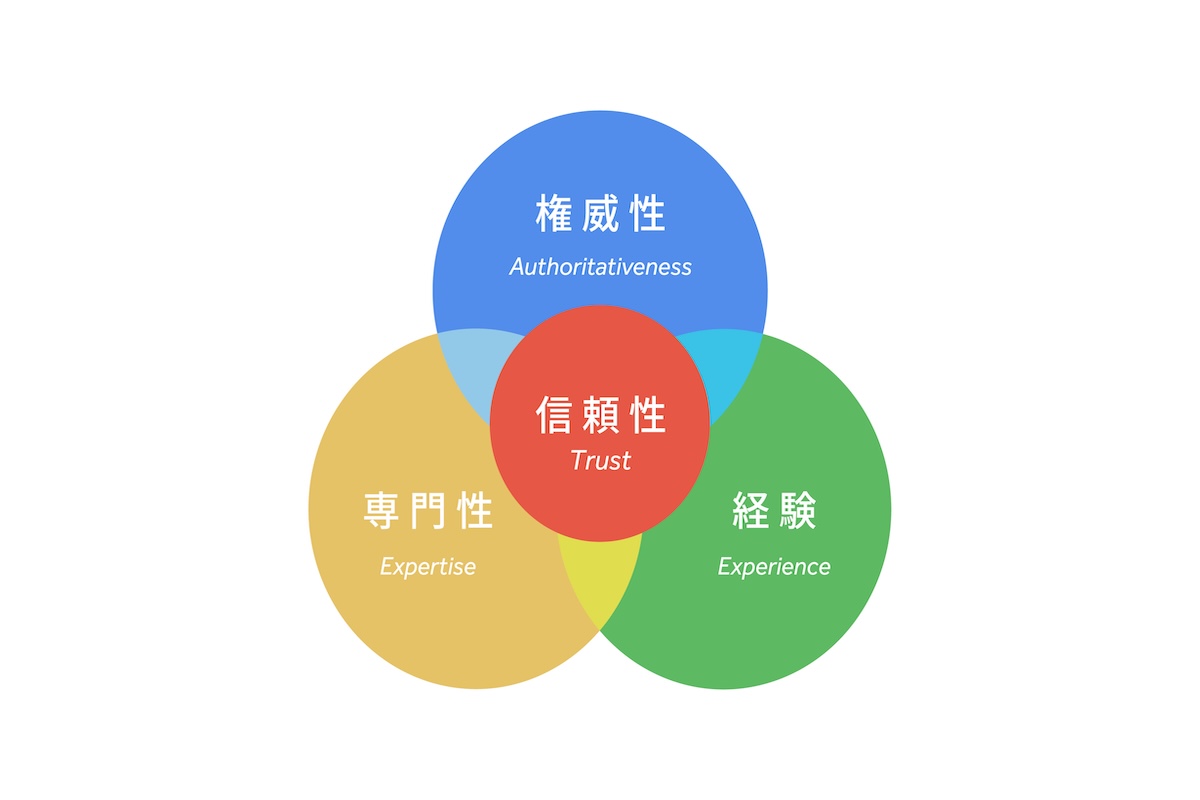
3. Prioritize EEAT with Proof and Transparency
EEAT (Experience, Expertise, Authoritativeness, and Trustworthiness) is central to how AI-driven search engines evaluate content. To meet EEAT expectations, your content should clearly show who is behind the information and why they’re credible.
Include the author’s name, credentials, or relevant experience whenever possible. Cite reputable sources such as academic research, government websites, or trusted industry publications, and link directly to them (not to competing content).
For example, instead of saying, “Studies show structured content improves rankings,” say, “According to a 2023 Search Engine Land report, a recipe site that switched from flawed microdata to JSON-LD schema saw a 101% increase in organic sessions.” The difference is simple: one is vague, the other builds authority.
Transparency matters too. If content is AI-assisted, say so. If you’re sharing a personal opinion or client example, label it clearly. Readers and search engines respond better to authenticity than polished generalizations.
4. Implement Structured Data and Clean HTML
AI systems scan both your content and your code. Structured data and clean HTML play a critical role in helping AI understand your page, extract the right information, and display it in search features like snippets, carousels, and overviews.
Structured data is added via schema markup, a type of code that gives search engines extra context about what’s on the page.
For example, you can use FAQ, HowTo, Article, or Review schemas to highlight specific sections.
- FAQ Schema: Helps show your Q&A content directly in search results with dropdown-style answers. Example: A “What is structured data?” question and answer box appearing under your link.
- HowTo Schema: Highlights step-by-step instructions, like a recipe or DIY guide. Example: Google search shows your cleaning steps right in search results, before someone even clicks.
- Article Schema: Tells Google it’s a blog or news post and helps it appear in “Top Stories” or rich results. Example: Your article title, date, and author show more clearly in search.
- Review Schema: Displays star ratings and reviewer info for products or services. Example: “4.8 stars from 120 reviews” shows up right under your product listing.
This makes it easier for AI to surface your content when matching detailed queries or looking to generate summaries.
Just as important is clean, semantic HTML. That means avoiding unnecessary nested divs or division elements, properly tagging headers (like using <h2> for main points, not <span> or <b>), and following a logical content flow. AI-powered search engines reward clarity, and messy code creates confusion.
If you’re unsure where to start, tools like Google’s Rich Results Test or Schema.org can help identify and validate your structured data.
5. Optimize for Specific User Intents and Query Types
Not all queries are the same, and AI is aware of this. Whether someone is looking to buy, learn, compare, or solve a problem, your content needs to match that intent clearly.
To do this well, understand the three main types of search intent:
- Informational: The user wants to learn something (e.g., “How does voice search work?”). Answer clearly, provide definitions, and include examples.
- Navigational: They’re looking for a specific page or brand (e.g., “Google Analytics dashboard”). Make sure your content is well-labeled and easy to find.
- Transactional or Commercial: They’re close to making a decision (e.g., “best AI tools for content writing”). Use comparison tables, use cases, or reviews to help them decide.
AI systems are trained to interpret query types and prioritize content that aligns with user intent. If your article targets informational queries but dives immediately into product pitches, it won’t be surfaced in AI search results or by users.
Matching intent also means using long-tail keywords and natural phrasing. People don’t search like robots, and neither do modern search engines. Optimize around real questions and conversational phrasing to capture more relevant traffic.
6. Clarify Your Author’s Experience and Source Credibility
This ties into your website EEAT. As AI-driven search engines become more discerning, they’re prioritizing content written by credible, experienced individuals. That means search engines want to see author bios, credentials, and transparent sourcing.
Every article should include a byline and a short author bio, ideally at the top or bottom of the page. Highlight relevant experience: “Sarah has written over 500 SEO articles for SaaS startups” is better than “Sarah is a digital marketing enthusiast.”
If you’ve worked with clients, include anonymized examples or case studies. If your business has firsthand experience, be sure to mention it. Phrases like “In our experience” or “We’ve tested this approach with clients in the SaaS space” go a long way toward building credibility, both with readers and with AI systems trained to spot expertise.

AI Search vs. Traditional SEO: What’s Different Now?
Search is evolving fast. Traditional SEO is by no means dead, but it’s no longer the only game in town. With AI-driven search engines leading the way, the rules around SEO content creation, search engine visibility, and user engagement have shifted.
If you’re still optimizing content the same way you did five years ago, you’re missing out on how AI tools and platforms are actually delivering answers today.
Let’s break down the biggest differences between AI search and SEO so that you understand where to adjust your content strategy.
From Keywords to Contextual Relevance
In the past, SEO was primarily focused on keyword research. You selected a few high-volume terms, sprinkled them throughout your content, and hoped to achieve the right density. But that’s no longer enough.
AI-powered search engines analyze content for meaning, not just matching terms. This shift favors content that’s structured logically, uses semantic language, and feels natural to read, not robotic or keyword-stuffed.
Tools like Google’s Gemini and other large language models assess relevance based on relationships between words, phrases, and headings, not just raw keyword frequency. That means your content needs to be built for AI to understand it rather than just index it.
From Ranking Pages to Generating Rich Answers
SEO focuses on landing on page one. But AI search results are reshaping what success looks like and how users interact with SERPs. Today, the goal is to rank with SEO and to get featured in AI search.
AI search engines are pulling answers, summaries, and rich snippets from pages to display in results, often without users needing to click through.
To adapt, site owners need to prioritize content creation that closely matches user queries and provides comprehensive answers quickly. This means leading with the key takeaway, then backing it up with detailed information, examples, and even multimedia like video content or code samples.
It also means thinking beyond ranking for a single keyword. With AI-driven traffic, the same article might surface in response to dozens of variations of a search query. You want high-quality content that speaks to multiple long-tail keywords and provides value across all angles of a topic.

From Link Profiles to Demonstrating Real Authority
In traditional SEO, a strong backlink profile was the ultimate authority signal. The more high-authority sites linking to you, the higher your domain authority and the better your chances of ranking.
That’s still very true, but AI search engines are broadening what it means to be authoritative.
Now, real authority comes from a mix of signals. Yes, backlinks still matter. Especially if they’re from non-spammy, high-traffic sources. But AI search engines go further.
They look at authorship transparency, content depth, and whether your site consistently provides valuable content that aligns with search queries.
AI tools evaluate how frequently your site provides comprehensive answers, how clearly you convey expertise, and whether your content demonstrates experience and trustworthiness.
To stay competitive, site owners now have to focus on expert-led content, transparent sourcing, and a strong human on-page presence.
From Static SERPs to Dynamic, Real-Time Visibility
SERPs used to be relatively static. You published a blog, built some links, and waited to see if it climbed the rankings.
Now, thanks to AI systems and generative AI platforms, SERPs can shift in real-time based on user intent, device, query phrasing, and even browsing behavior. AI-driven search results adapt based on what users are looking for in the moment, and that changes how content needs to be created.
For example, Google’s AI Overviews generate summaries dynamically, pulling in the most contextually relevant snippets from across the web.
If your content isn’t consistently updated and optimized for natural language queries, you risk getting left out, even if your traditional SEO metrics look solid.
To stay visible, you need to maintain relevance. That means regularly updating evergreen content, refreshing statistics, fixing broken links, and monitoring changes in how your target queries are phrased.
The only way to keep showing up is to treat content creation as a living asset, one that requires frequent tuning, context awareness, and technical SEO hygiene, such as mobile optimization, browser caching, and page speed improvements.
Ongoing Optimization for AI Search Performance
Creating content for AI search is only half the equation. The real win lies in keeping that content visible, accurate, and competitive over time, especially as AI search engines, models, and algorithms continue to evolve.
Ongoing optimization ensures your best-performing pages stay aligned with what users (and AI systems) are actually looking for.
Refresh Content Regularly
AI platforms like Gemini and Perplexity favor fresh, updated content, especially on topics that shift fast, like AI tools, SEO trends, or technical platforms. Pages that remain unchanged for years risk losing visibility to newer, more up-to-date sources.
Set a schedule to review top-performing posts every 3 to 6 months. Check for outdated statistics, broken links, irrelevant examples, or algorithm updates that may impact the advice provided.
Even small updates, like rephrasing for natural language queries or adding new internal links, can signal freshness and improve your position in AI-driven search results.
This is especially important for content aiming to deliver answers or appear in AI Overviews, which are more likely to feature recent sources.
Use Visuals with Purpose
AI search engines increasingly reference visual content, not just text. Infographics, video content, charts, and even simple screenshots can enhance clarity, increase time on page, and provide extra cues for AI models trying to understand and rank your page.
However, the visuals need to support the surrounding content. A graph showing “AI-driven traffic growth over time” or a diagram explaining how structured data works provides valuable insights that AI models can associate with specific user intents.
Also, don’t forget to optimize the visuals themselves. Use descriptive alt text, relevant file names, and surrounding text that reinforces the image’s meaning. These help improve both accessibility and search engine visibility.

Track Performance Across AI Tools
Optimizing content for AI search is an ongoing and ever-evolving process that requires continuous learning, testing, and adapting.
Start by using tools like Google Search Console to monitor how your pages perform for AI-driven search queries. Examine metrics such as impressions for long-tail keywords, click-through rate, and changes in search rankings.
Pair this with Google Analytics to understand user behavior. Are visitors coming from AI features like voice search or featured snippets? Are they sticking around?
Beyond Google, start tracking performance in AI-specific tools.
For example, some SEO platforms now monitor visibility in generative search environments (like AI snippets in Bing or ChatGPT plugins). Use these insights to spot opportunities for new content, update existing assets, or re-optimize underperforming pages.
Is Your Content Ready for AI Search?
Whether it’s Google’s Gemini, voice assistants, or emerging AI platforms, the way content is discovered and displayed is shifting fast. Search engines are becoming generative engines that value structure, clarity, and real expertise.
If your content isn’t optimized for how users actually search (using natural language, expecting direct answers, and moving fast), it risks being overlooked.
Traditional SEO still matters a lot, but it’s no longer enough on its own. You need a strategy built for AI search engines, not just search algorithms from a decade ago.
At Contentellect, we help agencies and businesses create high-quality content that’s not just optimized, but truly AI-ready. From technical SEO to conversational content that hits real user intent, we’ve got the tools, people, and systems to help you stay visible and competitive.
Need help future-proofing your content? Let’s chat. We’ll show you how to make your content unmissable with our white label content services.
