

Understanding The Use of AI in Content Creation
The AI revolution is here: 75% of marketers are either experimenting with or have fully implemented AI in their operations, with AI implementation being the top priority for marketers this year. That says a lot. We’re not just talking about a trend, but a complete shift in how teams plan, create, and manage content.
The real question now isn’t if AI will impact your content creation process. It’s how well you’re set up to take advantage of it.
Done right, AI content creation can help marketers generate content ideas more quickly, expedite written content production, and overcome creative blocks. But there’s a learning curve, and plenty of myths and jargon to cut through.
Let’s break down how to use AI-powered content creation tools, all while keeping a consistent brand voice and maintaining the human touch that makes content worth reading in the first place.

What Is AI in Content Creation?
AI in content creation is the use of artificial intelligence to streamline the content creation process, from generating ideas to publishing. Whether you’re stuck on a blank page or need to write product descriptions at scale, AI tools can help you get it done quicker.
These tools use machine learning, natural language processing (NLP), and large language models (LLMs) to turn your prompt into readable, on-brand content.
AI generators also go beyond AI writing tools. They can help with video scripts, audio content, social media posts, image generation, and even coding.
While all this is impressive, the real value of artificial intelligence is how it handles time-consuming tasks. With the menial tasks taken care of, your team can focus on what matters, like creating relevant content that resonates with your audience.
Why AI Content Tools Are More Than Just Generators
Behind all the AI-generated content you see today are transformer-based models, powerful systems that understand how words connect and make sense together. These models are the backbone of most AI writing tools.
What makes AI-powered tools so special is that they don’t just spit out sentences. They adapt to different tones, mimic your writing style, and maintain consistent messaging across various formats.
AI content tools are also no longer fringe technology. They are projected to reach $7.74 billion by 2029, with annual growth exceeding 21%. This rapid growth demonstrates how quickly businesses are adopting these tools to expand their content strategies.
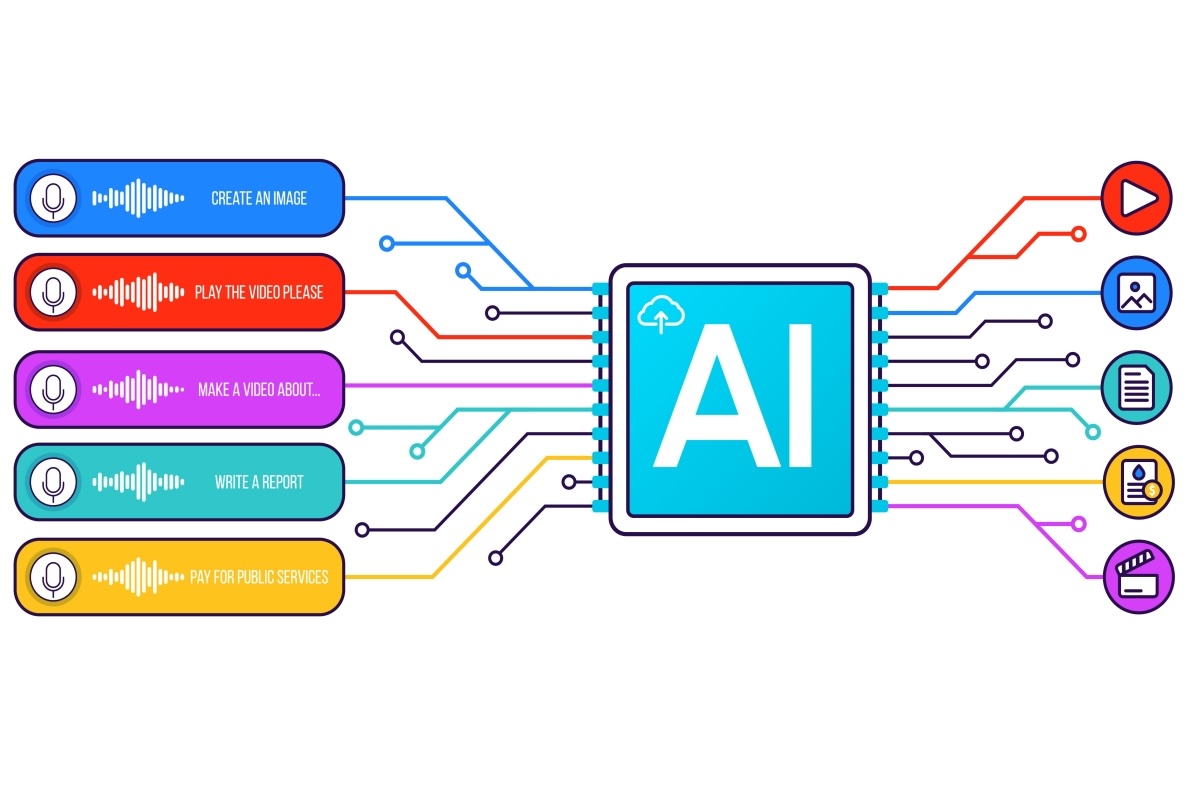
And we’re not just talking about written content. Modern AI content creation tools handle everything, from video content creation and image generation to audio and interactive formats.
With multimodal AI capabilities, digital marketing teams can roll out full campaigns across social media channels, websites, and email, all while keeping a consistent brand voice.

4 Key Benefits of AI for Content Creation Teams
Less guesswork, more output. Here’s how AI gives content teams a serious edge.
1. Enhanced Productivity and Efficiency
One of the biggest benefits of using AI in content creation is that it saves a significant amount of time. AI content tools like ChatGPT or Jasper can help you bang out a solid first draft in minutes.
More than 90% of users report that AI helps them save time, allowing them to focus on higher-value tasks such as strategy, optimization, and experimentation.
Instead of slogging through every word, your team can use AI to quickly generate blog content, product descriptions, and video scripts, then spend their energy refining the message, enhancing content quality, and ensuring everything stays on brand.
2. Overcoming Creative Blocks
Staring at a blank page with nothing to write is brutal. But with AI content generators, you can jumpstart your thinking with content ideas, new angles, or even whole paragraphs based on your input.
This is especially helpful when you’re stuck or juggling multiple campaigns. Whether you’re crafting social media posts or long-form content, AI helps you open up your creativity (without replacing it).
3. Consistency at Scale
If you’re publishing at scale across social media channels, landing pages, and blog posts, consistency is crucial.
AI writing tools can be trained to mirror your brand voice, ensuring every piece of content sounds like you, even when created by different people. This makes it easier to manage multi-channel social media content creation and stay on-brand, even under tight deadlines.
4. Smarter, Data-Backed Content Decisions
With machine learning and natural language processing, AI tools can analyze how your content performs, identifying what works and what doesn’t.
Want to improve your SEO or boost engagement? AI-powered SEO optimization platforms like Clearscope, Surfer SEO, and MarketMuse analyze user engagement metrics (bounce rates, time on page, and click-through rates) to suggest actionable content tweaks.
These insights help tailor your content to better match search intent and audience expectations.

Real Use Cases: How AI Supports Different Content Types
AI tools are quietly reshaping how we plan, create, and adapt content across dozens of formats. But what does that look like in the real world, for the modern business owner or marketing agency?
Let’s look at how AI content creation plays out in real workflows across written, visual, and multimedia content.
Blog Posts and Long-Form Content
Long-form content is where AI tools like ChatGPT, Claude, and Jasper shine. These platforms can help with everything from content planning and research to building outlines and fleshing out entire blog posts.
Need help structuring a complex topic? These tools can generate detailed outlines in seconds. Want to write blog posts that hit your SEO goals? They’ll suggest keywords, improve readability, and offer data-backed suggestions.
Jasper, for example, includes over 80 AI applications tailored to enterprise marketers, including templates for blog posts, brand voice customization, and built-in SEO prompts.
That said, the AI can’t replace the writing process. Instead, it supports it. You’ll still need to add human insight, polish the tone, and bring that all-important context only real writers can provide.
For more info, check out this guide on the best free AI writing tools.
Social Media Content Creation
Social media content creation is fast-paced and never-ending, which is perfect conditions for AI tools to step in. Platforms like Copy.ai and Jasper can generate on-brand social media posts at scale, create AI-generated captions for visual content, and even suggest posting times based on user behavior.
Whether you’re crafting LinkedIn thought leadership, Instagram carousel captions, or TikTok script snippets, AI can tailor your message for each platform’s quirks. This makes it easier to create engaging content across all your social media channels, without burning out your team.
But the real benefit here is the adaptability. AI tools help teams keep up with content demands while staying aligned with their brand guidelines, which can be particularly challenging when managing high-volume content planning across multiple platforms.
Email Marketing Campaigns
AI significantly reduces the guesswork involved in email marketing. From writing subject lines that boost open rates to personalizing messages at scale, AI writing tools can help marketing teams deliver more relevant content without spending hours crafting each email.
Tools like Jasper integrate with platforms such as Mailchimp, HubSpot, and ActiveCampaign for seamless content-to-email automation.
Meanwhile, AI-native platforms like Copy.ai’s Workflows or Smartwriter.ai offer built-in campaign management tools, allowing users to generate, personalize, and schedule outreach emails directly from the platform.
These can analyze past subscriber behavior, predict the best times to send, and even suggest content based on individual engagement patterns. It’s a smart way to streamline content workflows, especially if you’re managing large lists or running multi-segment campaigns.
Video Scripts and Multimedia Content
Video content creation used to demand heavy resources, chief among them video scriptwriters, editors, and voice actors. AI has changed that.
With natural language understanding and advanced generation models, AI tools can now create full video scripts, draft storyboards, and even produce voiceovers with synced visuals.
For example, platforms like Synthesia let users input a simple prompt to generate AI avatars that speak custom scripts, while Pictory transforms text into storyboarded video snippets using stock visuals and voiceover narration
This gives small teams a serious edge. You can now produce high-quality video content without spending more than your budget can afford. AI tools also analyze top-performing videos and surface insights, like structure, tone, and pacing, to help you generate video content that connects with your target audience.
Whether you’re scripting explainer videos, reels, or YouTube intros, AI can take care of the heavy lifting, leaving your team more time to refine and repurpose.

How to Maintain Content Quality When Using AI
AI can save time and spark ideas, but if you’re not careful, it can also create generic, inaccurate, or off-brand content. To ensure your AI-generated content meets real-world standards, you need the right checks and balances in place. Here are five tips on how to do this.
1. Use a Human-AI Collaboration Model
The best results come when AI and humans work together, not when you hand over the keyboard entirely. Think of AI as your fast, efficient co-writer. It’s great at generating ideas, pulling together rough drafts, and summarizing research. But it can’t replace your team’s judgment or creative instinct.
For example, you might use AI to outline a blog post or draft a few headline variations, but then use writers to shape the narrative, add insights, and ensure the final product effectively speaks to the audience. The AI gets you 60% of the way there. The remaining 40% (nuance, originality, strategy) depends on you and your team.
2. Establish Quality Control Checks
AI can pump out content quickly, but if you don’t have a clear quality control system, you’ll end up publishing bland or factually shaky work. The fix is simple: a consistent review flow.
Here’s what that looks like in practice: After an AI tool generates a first draft, a human editor checks it for tone, accuracy, and structure. Then, run the content through tools like Grammarly and Hemingway for readability.
For SEO content, you can also bring in Surfer SEO to check for optimization. Before anything goes live, a final review will ensure that the content delivers real value to the reader.
This layered approach keeps quality high without slowing down production and ensures AI-generated text never slips through unchecked. Adopt similar processes with all types of AI content creation.

3. Train AI on Brand Guidelines
If you want AI-generated content that reflects your brand voice, you need to teach the tools how your brand actually sounds.
Features like Jasper’s Brand Voice let you upload tone-of-voice documents, writing samples, and internal guidelines, so the AI can generate content that feels consistent with everything else you publish.
The more examples you provide upfront, the less rewriting you’ll need later. This becomes especially valuable when scaling content across various formats, such as blog posts, product pages, and social media.
4. Use AI to Identify Gaps and Opportunities
Besides creating content, AI is also a great way to do content creation audits. You can use AI tools (custom GPTs, Clearscope, SurferSEO) to scan your blog, landing pages, or product descriptions and flag what’s outdated, off-brand, or missing entirely.
For example, AI can highlight missing keywords, suggest internal links, or identify areas where a post could benefit from clearer examples or more recent data. This helps you maintain content quality over time without needing to manually review everything line by line.
5. Limit AI Use for Certain Content Types
While AI is effective for generating blog drafts, social media captions, or product summaries, it often struggles with nuanced formats, such as thought leadership pieces, highly regulated topics, or content that requires in-depth subject expertise.
In these cases, it’s better to let human writers take the lead.
A good rule of thumb: if the content needs to build trust, tell a personal story, or weigh in on complex ideas, you’ll want that human touch front and center.

What to Watch Out For: Ethical Risks and Common Mistakes
AI can supercharge your content workflows, but it’s not without its pitfalls. If you’re relying on AI to generate content at scale, you need to watch for some common red flags and ethical concerns to ensure you’re always on the right track with your content and brand.
The Challenge of Authenticity
AI is great at mimicking tone, but it can’t replicate lived experience. If you lean too heavily on AI, your content risks sounding formulaic or disconnected from your audience. Readers can tell when something’s been written without a real point of view, and nothing tanks engagement faster than content that feels hollow.
The fix? Layer in personal insights, relatable examples, and emotional nuance. Depending on your industry and experience, use AI to amplify what you know, whether that’s real customer stories, lessons from your own process, or the emotional stakes your audience truly cares about. That’s what makes content resonate.
Misinformation and Accuracy Concerns
AI models generate content confidently, even when they’re wrong. They can pull outdated statistics, make unsupported claims, or misinterpret context. That’s a major issue in fields like finance, health, or law, where a single error can damage trust and impact a reader’s life.
Always verify AI-generated facts against reliable sources. And when in doubt, skip the statistic or rewrite the section. It’s not worth publishing something that sounds smart but isn’t true.
Copyright and Legal Considerations
AI-generated content lives in a murky legal space. For example, the US Copyright Office has ruled that content generated without “human authorship” isn’t eligible for copyright protection. This means you may not legally own fully AI-generated content, a serious concern for brands relying on AI for product descriptions, blog posts, or image generation.
Another issue is plagiarism. AI tools like ChatGPT don’t pull text verbatim, but they are trained on vast datasets that include copyrighted materials. This raises concerns about inadvertent replication of protected content.
In 2023, The New York Times filed a lawsuit against OpenAI for allegedly using its articles in training data — a legal battle that could set major precedents.
To mitigate risk:
- Clearly label and track AI-assisted content.
- Always rewrite, fact-check, and customize AI outputs.
- Avoid publishing AI-generated text in sensitive formats (such as contracts, legal disclaimers, or medical advice).
- Stay informed on evolving regulations like the EU AI Act, which may soon require disclosures for AI-generated content.
Bias and Representation Issues
AI-generated content can unintentionally reinforce stereotypes or overlook underrepresented voices. This happens because language models are trained on massive internet datasets, which often reflect existing societal biases.
A 2023 study by Stanford University found that large language models disproportionately associate certain professions or traits with specific genders and ethnicities. This is a serious concern for both readers who may become unintentionally stereotyped and brands that strive for inclusivity.
To reduce bias, start by using auditing tools like Perspective API or IBM’s AI Fairness 360 to flag problematic language. You can also train your AI systems on curated, brand-approved datasets that reflect your diversity, equity, and inclusion (DEI) values.
Finally, implement a manual review process to catch language that may be subtly exclusionary, gendered, or culturally insensitive.
If inclusivity matters to your brand, you’ll need deliberate systems to identify and correct it before content goes live.
The Future of AI in Content Creation and Marketing
AI content creation is evolving fast. From interactive campaigns to real-time personalization, the tools are becoming more advanced and more integrated into the way marketers work.
Emerging technologies are already pushing boundaries. AI is now powering real-time content personalization, adapting messaging based on user behavior, and building dynamic multimedia assets that adjust on the fly.
Voice-based content (think smart assistant scripts, podcast summaries, and interactive audio) is quickly becoming part of the mainstream mix. As consumers engage across more formats, this shift opens up new creative possibilities.
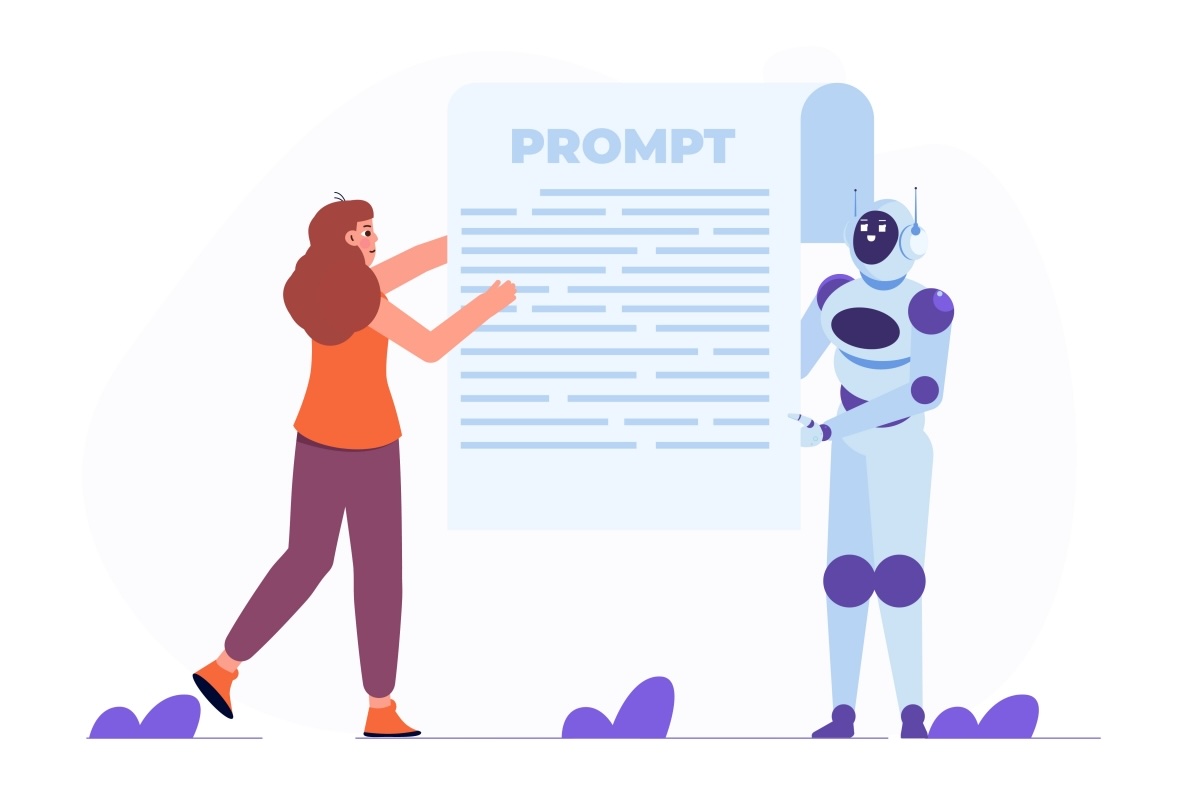
Looking ahead, expect AI tools to integrate more closely with marketing tech stacks. Automation will extend beyond drafting and editing to full-cycle workflows — from content planning and creation to testing, analysis, and iteration.
Real-time feedback loops will enable marketers to optimize campaigns in real-time, utilizing AI to recommend changes based on actual performance.
Perhaps the most exciting shift is large-scale personalization (which does sound counterintuitive). With the help of AI, marketers will soon be able to tailor content to individual users, taking into account factors such as browsing history, location, and timing. What used to be manual, time-consuming, or simply unfeasible will become automatic.
Final Thoughts: Combine AI With Strategy to Scale Smart
AI is transforming content creation, offering a powerful opportunity to scale without sacrificing quality. But the real edge comes from combining AI’s efficiency with human creativity and strategic oversight. Organizations that view AI as a tool to amplify their capabilities, rather than replace them, will find themselves ahead of the curve.
The future belongs to those who balance AI’s power with authentic human insight. By integrating AI with creativity, your content teams can boost productivity, scale quickly, and build deeper connections with your audience.
At Contentellect, we help marketers and agencies effectively leverage AI tools to create high-quality content.
Ready to streamline your content creation process and outpace AI and your competitors? Let us help you scale your content with our content writing services. Get in touch today.

