

Let’s face it—standing out online isn’t easy. You might have great ideas, but if your content doesn’t reach the right audience, it’s a missed opportunity. That’s where content strategy and SEO come in.
Think of them as a dynamic duo: content strategy ensures your message is clear and engaging, while search engine optimization makes sure it gets seen by the people who matter most. Together, they help you rank higher, attract more visitors, and ultimately grow your business.
In this article, we’ll explore what SEO content is, break down the key components of an effective strategy, and share actionable tips for blending the two.
Whether you’re a content marketing beginner or looking to refine your approach, this guide will set you up for success.
What Is SEO Content?
Let’s talk about SEO content—it’s not just a buzzword; it’s the backbone of getting found online. Simply put, SEO content is any material on your site designed to rank well on search engines and attract organic traffic.
Think blog posts, videos, landing pages, or even product descriptions.
According to Backlinko, creating awesome content for SEO is about understanding what your audience needs and tailoring your content to answer their questions.
It’s more than just knowing how to write content and tossing in keywords—it’s about building trust and delivering value.
Why Is SEO Content Important for Your Business?
SEO content isn’t just helpful content—it’s essential if you want your business to thrive online. Here’s why:
- More Eyes on Your Business: Optimizing your content for SEO means better rankings, which means more people discover your website.
- Keeping Visitors Engaged: When your content answers users’ questions, they’ll stay longer, browse more, and come back again.
- Saves You Money: Organic traffic from SEO content is like free advertising. Once it ranks, it keeps working for you without ongoing ad spend.
In short, SEO content is your golden ticket to standing out in a sea of online competitors.

What Are the Components of an SEO Content Strategy?
Knowing how to create an SEO strategy involves several key components that work together to enhance your website’s visibility and ranking on search engines.
Let’s break down these essentials:
1. Keyword Research
Identifying relevant keywords is the foundation of any SEO content strategy. By understanding the terms your target audience uses, keyword research allows you to tailor your own content to meet them through the keyword’s search intent.
Tools like Google Keyword Planner and SEMRush can help uncover valuable keyword opportunities.
2. High-Quality Content
Creating informative and engaging content that resonates with your audience is crucial. This not only attracts visitors but also encourages them to spend more time on your site, reducing bounce rates.
Regularly updating your SEO and content ensures it remains relevant and valuable.
3. On-Page Optimization
This involves optimizing individual web pages to rank higher. Key aspects include:
- Title Tags and Meta Descriptions: Crafting compelling titles and descriptions that incorporate target keywords.
- Header Tags (H1, H2, H3): Structuring content to enhance readability and SEO.
- URL Structure for SEO: Creating clean and descriptive URLs that reflect the content.
4. Technical SEO
Ensuring your website meets technical requirements is vital for search engines to crawl and index your site effectively. This includes:
- Site Speed: Optimizing load times to improve user experience.
- Mobile-Friendliness: Ensuring your site is responsive on all devices.
- XML Sitemaps: Helping search engines understand your site’s structure.
We’ll go into the technical aspects of SEO in more detail later on.
5. Link Building
Acquiring high-quality backlinks from reputable sites is a nifty aspect of content marketing. It signals to search engines that your content is valuable.
Engaging in guest blogging, creating shareable content, and building relationships within your industry can aid in this process.

6. User Experience (UX)
User experience is key to content marketing because a positive user experience encourages visitors to stay longer and engage more with your content. Factors influencing UX include:
- Navigation: Ensuring your site is easy to navigate.
- Design: Maintaining a clean and appealing design.
- Accessibility: Making content accessible to all users.
7. Analytics and Reporting
Regularly monitoring your site’s performance helps identify what’s working and what needs improvement. Utilizing tools like Google Analytics provides insights into traffic sources, user behavior, and conversion rates.
By focusing on these components, you can develop a comprehensive new SEO content strategy that enhances your online presence and drives sustainable growth.
The Basics of SEO Strategy for Beginners
Embarking on SEO can feel overwhelming, but breaking it down into manageable steps simplifies the process. Here’s a straightforward approach to get you started:
1. Search for Your Company’s Head Term on Google
Begin by identifying your primary keyword—the term that best represents your business or industry. Enter this “head term” into Google to see which websites rank highest.
This insight reveals your main competitors and the type of content that performs well.
2. Look at Google’s Suggested Searches and Filters
As you type your head term, Google provides suggestions and related searches. These hints offer valuable information about what users are searching for and can help you find keywords to target.
3. Examine the SERPs
Review the Search Engine Results Pages (SERPs) for your head term. Note the top-ranking pages, their content format, and any featured snippets or rich results.
Understanding the SERP landscape helps you determine the content type and quality needed to compete effectively.

4. Analyze Your Competition
Dive deeper into the top-ranking pages. Assess their content length, structure, use of media, and keyword optimization. Tools like Ahrefs can assist in evaluating competitors’ backlinks and overall SEO strategy.
5. Generate Online Authority
Building authority involves creating high-quality content and earning backlinks from reputable sites. Engage in guest blogging, participate in industry forums, and share your expertise to establish credibility and trustworthiness.
6. Create Search Engine Optimized Content
Publish content that aligns with your target keywords and provides value to your audience. Ensure it’s well-structured, easy to read, and includes relevant keywords naturally. Incorporate images, videos, and other media to enhance engagement.
By following these steps, you lay a solid foundation for your SEO efforts, making the process more approachable and effective.
How to Create SEO Content
Crafting effective SEO content is essential for driving traffic, improving SEO, and boosting your visibility in the competitive landscape of content marketing. Let’s break it down step by step:
Find a Target Keyword to Center Your Content Around
The backbone of SEO content is the right keyword. Tools like Ahrefs allow you to identify keywords that are highly relevant to your target audience and have reasonable competition. Focusing on the right keyword ensures your content reaches the right people.
Be Original
Your audience doesn’t need a rehash of what’s already out there. Adding original insights or unique experiences to your content is what sets it apart.
According to SEMrush, originality and authenticity in your content marketing efforts build trust and long-term engagement with your readers.
Place Your Chosen Keyword Prominently
Your keyword should be naturally woven into the title, introduction, headers, and throughout the body of your content.
Avoid forcing it—Google penalizes keyword stuffing, and so do readers. Think of your keyword as a guide, not a crutch.

Provide Long-Form, Comprehensive Content
Search engines favor in-depth content that leaves readers satisfied. Target topics thoroughly, address multiple angles, and keep your content useful.
Comprehensive content also plays a big role in content marketing because it positions you as an authority in your niche.
Make Your Content Attractive to Readers
Let’s face it—no one likes reading a block of text. Use headings, bullet points, and images to make your website content digestible. Visual appeal not only helps readers but also improves shareability, amplifying your content marketing efforts.
By following these steps, your online content will not only rank but also engage and retain your audience effectively.
What Are the Four Pillars of SEO?
Developing a robust SEO content marketing strategy is essential for attracting relevant traffic and enhancing your online presence, but if you want to succeed in the world of digital marketing, understanding the four pillars of SEO is a must.
These pillars—technical SEO, content, on-page SEO, and off-page SEO—are the foundation of any winning SEO content strategy.
Together, they help you drive relevant traffic, rank higher in search engines, and establish authority in your niche. Let’s break them down in simple terms.
1. Technical SEO
Think of technical SEO as the behind-the-scenes work that keeps your website running smoothly and visible to search engines. It’s like building a solid house foundation—everything else relies on it.
Here’s what you need to focus on:
- Site Speed: No one likes waiting for a slow-loading site, and neither does Google. Tools like Google PageSpeed Insights can show you where to make improvements.
- SSL Certificates (HTTPS): Secure sites rank better and build trust with visitors. It’s a small investment with big benefits.

- Mobile-Friendliness: With most people browsing on their phones, mobile SEO has never been more important. Your site needs to work flawlessly on mobile devices. Use Google’s Mobile-Friendly Test to make sure you’re good to go.
- XML Sitemaps: These are like blueprints for search engines, helping them navigate your site and index your pages efficiently.
When you get the technical stuff right, it sets the stage for your SEO efforts to succeed.
2. Content
You’ve heard it before: Content is king. But in SEO, it’s more like the entire kingdom. The content you create drives traffic, engages your audience, and keeps them coming back for more.
Here’s how to ace the content game:
- Keyword Research: Use tools like Ahrefs for conducting keyword research with solid search volume. It’s all about targeting what people are actually searching for.
- Create Relevant Content: Make your blog posts and pages informative, engaging, and easy to read. This isn’t just good for SEO—it’s great for your overall content marketing strategy.
- Keep It Fresh: Regular updates keep your site relevant and show Google you’re active.
Great content isn’t just about ranking—it’s about connecting with your audience and offering real value.
RELATED: Do blogs help boost SEO? Find out more in our Contentellect Academy post!
3. On-Page SEO
On-page SEO is all about optimizing individual pages to make them search-engine friendly. It’s like dressing your content up to impress.
Here’s what to keep in mind:
- Title Tags and Meta Descriptions: Make them catchy and include your main keyword. They’re the first thing people see on search results.
- Header Tags (H1, H2, H3): Use these to organize your content and make it easier to read.
- Internal Linking: Link to other blog posts or content pages on your site to help users (and search engines) navigate.
- URL Structure: Keep URLs short, clean, and keyword-rich.
These small tweaks can make a big difference in how your content performs.
4. Off-Page SEO
Off-page SEO is all about what happens outside your website. It’s like networking for your site—building relationships that boost your credibility.
Here’s how to master it:
- Backlinks: High-quality backlinks from reputable sites signal to Google that your content is valuable. Focus on quality over quantity.
- Social Signals: Share your content across social media platforms to increase its visibility and drive website traffic.
- Brand Mentions: Even without a direct link, being mentioned by other sites adds to your credibility.
Off-page SEO takes time, but it’s worth it. Crafting a content calendar can help you maintain structure.
Building your reputation outside your site enhances your rankings and brings in more relevant traffic.
By mastering these four pillars, you’ll have a robust SEO-driven content strategy that sets you apart. Focus on technical excellence, create content that resonates, optimize your pages, and build authority through off-site activities.
This is how you win in today’s competitive digital marketing landscape.
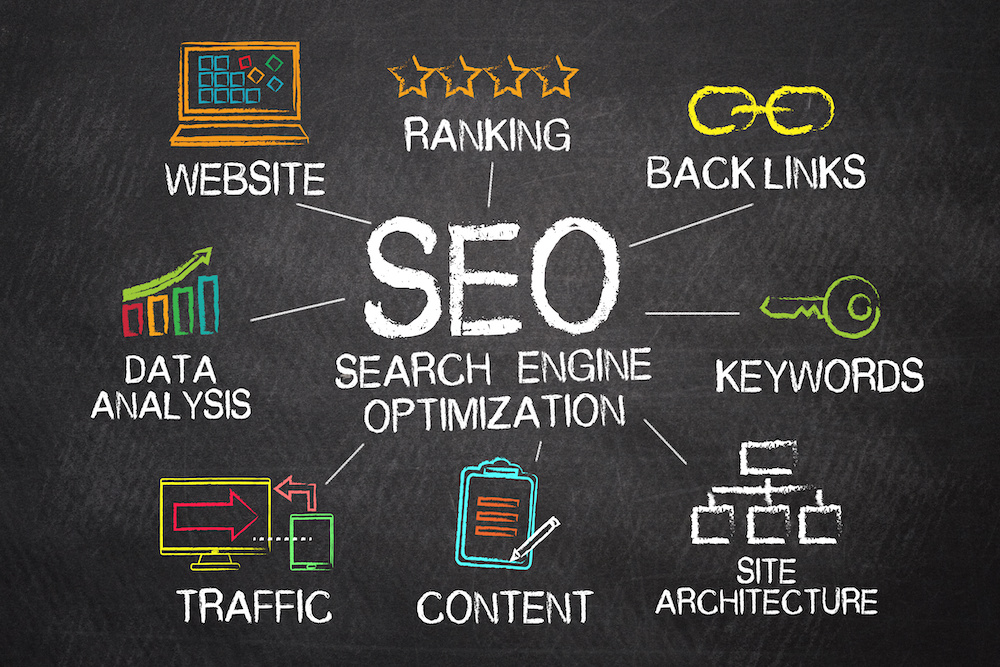
What Are the 5 Most Important Parts of SEO?
If you’re serious about SEO and content, understanding its key components is a game-changer.
These elements form the backbone of any strong content strategy, helping you rank higher in search results, attract more search traffic, and build a sustainable online presence.
Let’s break it down:
1. Audience
Your target audience is everything. Without knowing who you’re creating content for, it’s impossible to craft something that resonates.
By identifying your audience’s needs, pain points, and preferences, you can deliver precisely what they’re looking for.
For example, understanding what keywords your audience searches for helps you target relevant terms with high search volume. This means more eyes on your content and better alignment with their expectations.
Plus, when your audience feels seen and understood, they’re more likely to engage with your content, boosting overall performance.
2. Industry
SEO isn’t just about your audience—it’s also about your industry. Keeping up with industry trends helps you stay relevant and competitive.
Are there new keywords emerging with growing search volume? Are there shifts in how people consume content in your niche?
For instance, a blog post about an emerging topic in your industry could position you as a thought leader while driving search traffic. This proactive approach not only supports your SEO goals but strengthens your broader content strategy as well.
3. User Intent
Ever wonder why some content ranks at the top while others lag behind? It often comes down to user intent. Search engines prioritize content that matches what people want to find.
There are three primary types of user intent:
- Informational: Users want to learn something (e.g., “What is SEO?”).
- Navigational: Users want to find a specific website or brand (e.g., “Google Analytics login”).
- Transactional: Users are ready to take action, like making a purchase (e.g., “buy SEO tools”).

By creating content that aligns with these intents, you ensure that your pages deliver exactly what users are seeking. This improves engagement, content quality, and even your link building efforts, as others will naturally want to reference your valuable material.
4. Crawling
Search engines like Google use bots to “crawl” your website, discovering and analyzing your content. If these bots can’t crawl your site effectively, your content won’t appear in search results—simple as that.
How do you ensure proper crawling? Focus on technical SEO elements like:
- A clear URL structure.
- An XML sitemap to guide search engines.
- Eliminating broken links or errors that might block bots.
Efficient crawling means your best pages get discovered, driving more search traffic to your site.
5. Indexing
Once your site is crawled, search engines need to index it before your content can show up in search results. This step involves organizing and storing your content in the search engine’s database.
To optimize indexing:
- Use clear and accurate meta tags.
- Add structured data (schema markup) to help search engines understand your content.
- Focus on content quality to ensure the most important pages get indexed.
Indexing might sound technical, but it’s essential for making sure your content is seen. Without it, even the best pages won’t generate more traffic or help you meet key performance indicators like organic reach and engagement.
Conclusion
Mastering SEO and content requires careful planning and execution, but the rewards are worth it. By understanding your audience, aligning with search intent, and optimizing your site for crawling and indexing, you’ll see more organic traffic and improved Google rankings.
Whether you’re brainstorming fresh content ideas or updating existing content, a thoughtful content strategy ensures your efforts resonate with readers and meet their search queries.
Ready to elevate your content marketing game and increase potential customers?
Explore our blog for more insights, or contact us at Contentellect to learn how we can help you craft content and high-quality, indexed pages that drive results.
To learn more, check out these related posts at Contentellect Academy:
