

Search Engine Optimization (SEO) might sound like a big, techy term, but it’s really the secret sauce to getting your website noticed. Think of it as the art (and science) of making search engines like Google fall in love with your site, so it ranks higher and grabs attention.
In this guide, we’ll break down the SEO basics in plain English—no jargon, just easy-to-follow tips.
Whether you’re a total newbie or looking to sharpen your skills, you’ll find everything you need to get started. Ready to boost your website’s traffic? Let’s dive in!
What Is SEO?
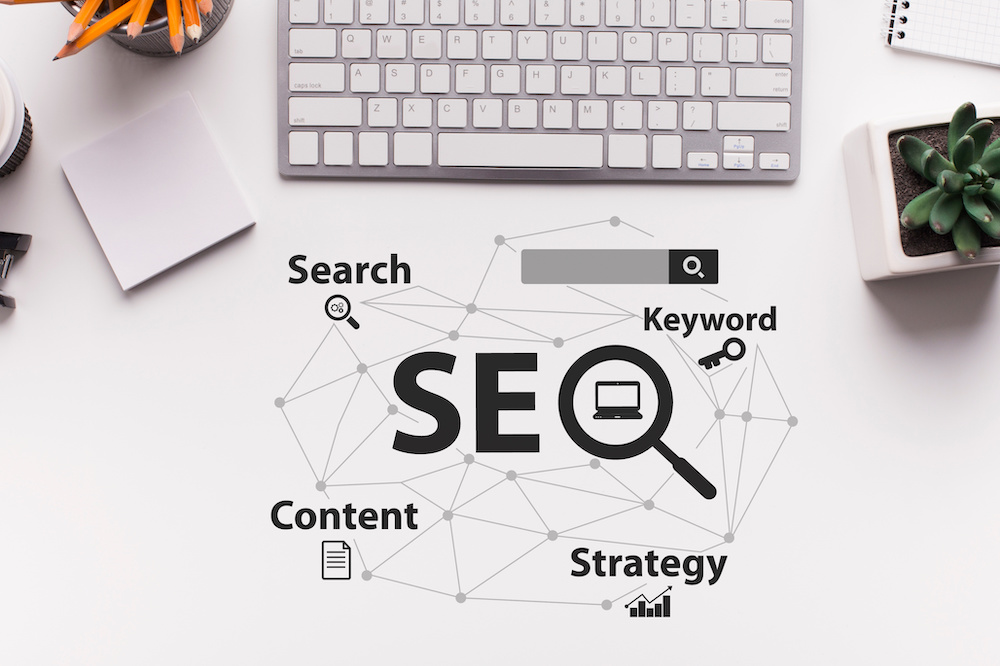
Search engine optimization (SEO) is all about enhancing your website to make it more appealing to search engines like Google. The goal? To boost your site’s visibility in organic (non-paid) search results, attracting more visitors. It’s like setting up your shop on a busy street where more people can find you.
According to Moz, SEO basics involve practices designed to improve the Google rank, appearance, positioning, and usefulness of various types of content in organic search results.
In simple terms, search engine optimization helps search engines understand what your site is about and how it can be useful to users. By optimizing elements like keywords, content quality, and site structure, you make it easier for search engines to recommend your site to people searching for related information.
Think of SEO as a bridge connecting your website to potential visitors. The stronger and more well-constructed that bridge, the more traffic you’ll receive.
It’s a fundamental aspect of digital marketing that can significantly impact your online success.
Why Is SEO Important?
SEO is crucial because it enhances your website’s visibility, leading to increased traffic and potential customers. When your site ranks higher in search results, more people can find and engage with your content.
According to Search Engine Journal, mastering SEO basics is a cost-effective marketing strategy that delivers long-term results.
In essence, investing in SEO helps build brand awareness, drives organic traffic, and supports business growth.
What Are the Benefits of SEO?
Search engine optimization offers a treasure trove of benefits, making it one of the most impactful strategies for growing your online presence.
Let’s break down the major advantages into digestible sections.
Increased Website Traffic
Who doesn’t want more visitors? SEO ensures your website ranks higher in search results, making it easier for people to discover you. Organic traffic—visitors who find you without paid ads—is a game-changer because these users are genuinely searching for what you offer.
Cost-Effectiveness
Unlike paid advertising, SEO focuses on organic results, which don’t cost per click. While it requires an upfront investment of time and resources, the long-term rewards far outweigh the initial costs. Think of it as planting seeds for a harvest that keeps giving.
Enhanced User Experience
SEO isn’t just for search engines; it’s for people too. Optimizing your site for speed, mobile-friendliness, and easy navigation ensures a seamless experience for visitors. Happy users lead to more engagement and higher conversion rates.
Builds Credibility and Trust
Appearing on the first page of search results signals to users that your website is credible and trustworthy. People tend to trust search engines, so ranking high can bolster your brand’s reputation.

Better ROI (Return on Investment)
SEO drives targeted traffic, meaning visitors who are actively searching for what you provide. This results in higher conversions and a better return on your marketing investment compared to other channels.
Long-Term Results
Unlike paid ads that stop delivering when the budget runs out, SEO keeps working for you. By staying consistent with optimization, your site can maintain its search engine rankings and continue to attract traffic over time.
How Do You Do SEO?
Performing SEO basics effectively is like solving a puzzle—each piece matters. From keyword research to content optimization and link building, every step plays a crucial role in creating a seamless strategy.
The process involves understanding what your audience is searching for, making your website irresistible to Google and other search engines, and building authority through acquiring or buying high-quality backlinks.
Let’s start with the foundation: keywords.
Keyword Research and Keyword Targeting Best Practices
Keyword research is where every successful SEO strategy begins. Think of keywords as the roadmap connecting what users are searching for and the solutions your business provides.
Targeting the right ones ensures your content reaches the right audience.
Start by identifying keywords relevant to your niche using tools like Google Keyword Planner, Ahrefs, or SEMrush. Focus on a mix of high-volume terms and long-tail keywords (phrases with lower competition but high intent).
For agencies struggling with inconsistent pipelines or competing with low-quality rivals, ranking for niche-specific long-tail keywords can be a game-changer.
Next, strategically place your keywords in your content: title tags, meta descriptions, headers, and body text. However, avoid keyword stuffing—it’s a red flag for search engines and turns readers off. Instead, aim for natural incorporation that aligns with user intent.
On-Page Optimization
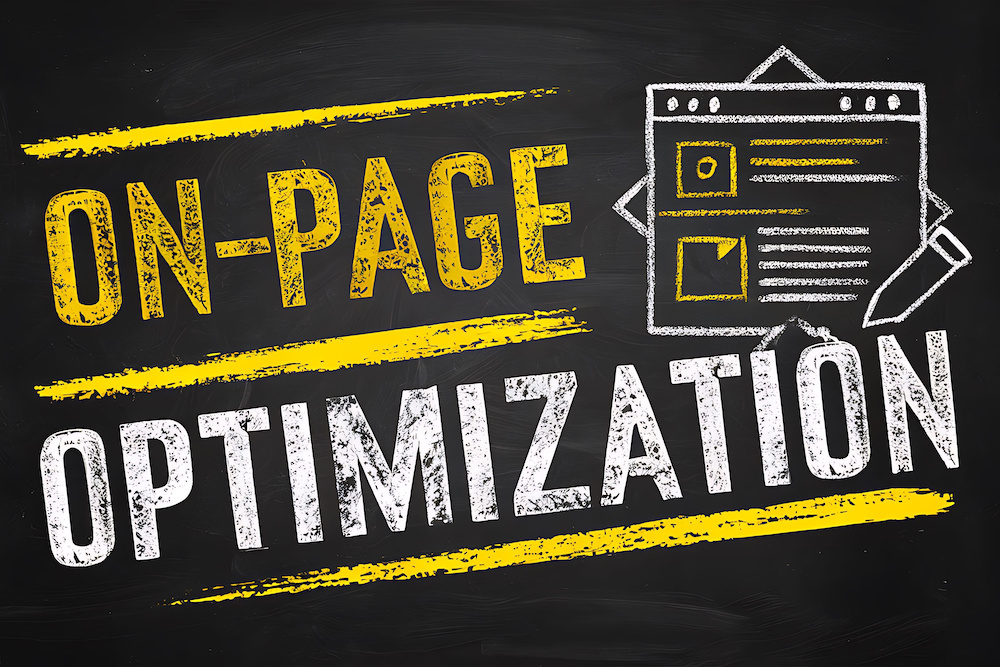
On-page optimization is the backbone of any successful SEO strategy. It involves fine-tuning various elements of your website to make it more search engine-friendly and user-focused.
Let’s break down the key components and how they contribute to better rankings.
Title Tags
Title tags are the first impression your site makes on search engines and users. They’re the clickable headlines that show up on search engine results pages (SERPs). A great title tag is clear, concise, and includes your target keyword.
For example, instead of “Our Services,” a better option would be “SEO Services for Agencies | Increase Traffic & Leads.” Tools like Yoast or SEMrush can help you craft optimal title tags that resonate with search intent.
Pro tip: Keep your title tags under 60 characters to avoid them getting cut off in search engine results pages.
Meta Descriptions
Meta descriptions don’t directly influence rankings, but they play a huge role in click-through rates. These snippets under your title tag should provide a compelling summary of your page content and include your primary keyword.
For example: “Learn the top on-page SEO strategies to boost your rankings and attract more visitors to your site.” This clear and enticing language can increase your organic traffic without extra cost.
Body Content
Your body content is where you deliver real value. It’s not just about stuffing keywords; it’s about engaging, informative, and user-focused writing. Address your audience’s pain points (like agencies dealing with unreliable providers or inconsistent backlinks) and provide actionable solutions.
Focus on readability—short paragraphs, bullet points, and subheadings make your content scannable. Include your keywords naturally throughout, but prioritize delivering information that keeps readers hooked and compels them to take action.

Alt Attributes
Alt attributes (or alt tags) describe the images on your site. They’re essential for accessibility and help search engines understand your visual content. For example, an alt tag for a photo of a laptop showing analytics might read: “Laptop displaying SEO analytics dashboard for tracking keyword performance.”
Alt attributes also help your images rank in Google Images, offering an additional way for users to discover your site.
URL Structure
Keep your URL structure for SEO clean and simple. It makes it easier for users and search engines to understand your page’s content. Avoid long, confusing URLs like:
www.example.com/post?id=12345
Instead, aim for descriptive URLs:
www.example.com/seo-on-page-optimization
Keep them short, include your primary keyword, and use hyphens to separate words. Clear URLs improve user experience and give search engines a clearer idea of your page’s focus.
Information Architecture and Internal Linking
Imagine walking into a well-organized store where everything is easy to find—that’s what a great information architecture does for your website.
It ensures that users and search engines can effortlessly navigate your content, improving the overall experience and boosting your SEO performance.
Why Information Architecture Matters
Information architecture is all about structuring your site logically. Think of it as a map guiding visitors to their destination without confusion. A clear structure helps search engines crawl your site efficiently, ensuring that all your pages get indexed and ranked.
For agencies struggling with inconsistent pipelines, a well-structured site keeps users engaged, leading to better conversions.
Start by organizing your content into categories and subcategories. For example, if your site focuses on SEO services, your main category could be “SEO,” with subcategories like “On-Page SEO,” “Technical SEO,” and “Link Building.”

The Role of Internal Linking
Internal links connect your pages, creating pathways that guide visitors and search engines. These links distribute link equity (ranking power) across your site and help highlight your most important pages.
For instance, linking a blog post on “SEO Trends” to your services page reinforces your authority and directs search traffic to where it matters most.
To optimize internal linking:
- Use Descriptive Anchor Text: Instead of “click here,” opt for something like “learn about on-page SEO tips.”
- Prioritize High-Value Pages: Link frequently to your cornerstone content or service pages to increase their visibility.
- Avoid Overloading Links: Keep it natural; too many links can overwhelm users and dilute link equity.
With a solid information architecture and smart internal linking, your site becomes a user-friendly powerhouse that drives traffic and rankings.
Content Marketing and Link Building
Content marketing and link building are the power duo of search engine optimization. Together, they amplify your site’s visibility, authority, and reach.
By creating content your audience loves and strategically building backlinks, you can climb search rankings and drive consistent search traffic. Let’s explore how to master this approach to boost your SEO basics.
Identify and Understand Your Linking and Sharing Audience
Before you start creating content or chasing backlinks, it’s essential to know who you’re targeting. Ask yourself: Who is likely to share or link to your content? For agencies, this could include marketers, industry experts, bloggers, or even clients looking for trusted resources.
Get into their mindset—what topics excite them? Tools like Ahrefs and BuzzSumo can help you identify popular content within your niche and reveal who’s already linking to similar resources.
By understanding your audience’s needs, you’ll craft content that’s irresistible to share and link.

Determine What Content You Can Create and How You Can Promote It
Not all content gets links. Focus on creating high-value assets like guides, infographics, case studies, or original research—content that offers solutions, insights, or entertainment. For example:
- Guides: “Ultimate Guide to the Benefits of an SEO Checklist for Agencies” can attract links from marketers and small businesses.
- Case Studies: Showcase your results, such as “How We Improved Client X’s Rankings by 150%.”
- Infographics: Visual content simplifies complex topics, making it highly shareable.
Once your content is ready, promotion is key. Reach out to industry influencers, email your audience, and share on social platforms. Don’t just wait for people to find it—actively distribute it where your audience hangs out.
Map Your Assets to Specific Keywords
To maximize the impact of your content, tie it to targeted keywords. This helps your content rank and ensures it reaches the right audience. For instance:
- A blog post about “SEO Basics” could target the keyword “beginner SEO tips.”
- An infographic on backlink strategies might focus on “link building for agencies.”
Ensure that the content aligns with your audience’s search intent and provides real value. Include internal links to relevant pages and use descriptive anchor text to strengthen your site’s SEO.
Bringing It All Together
When done well, content marketing and link building create a virtuous cycle: great content earns backlinks, boosting rankings, which in turn drives traffic to your site.
For agencies struggling with low-quality providers or inconsistent backlinks, this strategy is a game-changer.
It’s all about creating content people genuinely want to engage with and ensuring it gets in front of the right eyes.
Common Technical SEO Issues and Best Practices
Technical SEO is the foundation of a well-optimized website. Without it, even the best content might struggle to rank.

Think of it as tuning up your car’s engine—it ensures everything runs smoothly under the hood. Let’s tackle common technical SEO issues and how to fix them.
Page Speed
Nobody likes a slow website. Users expect pages to load within seconds, and search engines prioritize speed as a ranking factor. If your site takes too long to load, visitors might leave before they even see your content.
Best Practices:
- Use tools like Google PageSpeed Insights to measure your site’s speed.
- Compress images to reduce load times without sacrificing quality.
- Enable browser caching and use a Content Delivery Network (CDN) to improve speed for global visitors.
- Minimize code bloat by reducing unnecessary CSS, JavaScript, and HTML.
Quick wins like these can make a significant difference, especially for agencies that need to keep users engaged and coming back for more.
Mobile-Friendliness
With mobile devices driving over half of all web traffic, your site must look and perform great on small screens. Google’s mobile-first indexing means search engines prioritize mobile-friendly sites in rankings.
Best Practices:
- Use responsive design to ensure your site adjusts seamlessly to any screen size.
- Test your site with Google’s Mobile-Friendly Test to identify and fix issues.
- Avoid intrusive pop-ups that frustrate mobile users.
A mobile-friendly site doesn’t just please Google; it keeps visitors happy and engaged, which can translate to higher conversions.
Header Response
Header responses are how your server communicates with search engines and browsers. Common issues include 404 errors (page not found) and 500 errors (server issues), which can hurt your rankings and frustrate users.

Best Practices:
- Regularly crawl your site with tools like Screaming Frog to identify broken links or missing pages.
- Set up proper 404 error pages with helpful navigation to guide users back to your main site.
- Ensure your server is reliable and can handle traffic spikes without throwing 500 errors.
Efficient header responses keep search engines happy and ensure a smoother experience for your audience.
Redirects
Redirects help guide users and search engines from outdated pages to new ones. However, improper use of redirects can harm your SEO. For instance, too many redirect chains slow down your site, and 302 redirects (temporary) should be swapped for 301 redirects (permanent) when appropriate.
Best Practices:
- Use 301 redirects to permanently point old URLs to updated ones.
- Avoid redirect chains and loops, as they can confuse search engines and slow page loading.
- Regularly audit redirects to ensure they’re still needed and functioning correctly.
By managing redirects effectively, you maintain link equity and ensure users land where they need to.
Duplicate Content
Duplicate content confuses search engines, making it unclear which version to rank. It can occur accidentally, such as when a product page is accessible via multiple URLs.
Best Practices:
- Use canonical tags to tell search engines which version of a page to prioritize.
- Consolidate duplicate pages by combining content or redirecting to a single URL.
- Regularly audit your site with tools like Siteliner to identify and address duplicate content.
Addressing duplicate content ensures search engines focus on the right pages, maximizing your ranking
Putting It All Together
Technical SEO may seem daunting, but addressing these issues creates a solid foundation for your site. For agencies battling slow sites, confusing navigation, or duplicate content, these fixes can make an immediate impact.
With a well-optimized website, you’re not just pleasing search engines—you’re also creating a better experience for your audience.
How to Track and Measure SEO Results
Tracking the success of your SEO basics is like checking the scoreboard during a game—you need to know where you stand to win. The key is focusing on metrics that truly matter: keyword rankings, organic traffic, and organic leads and sales.
Let’s explore how to keep score and improve your SEO strategy.
Keyword Rankings
Think of keyword rankings as your SEO thermometer—they measure your visibility in search results. Climbing the ranks means you’re on the right track, while drops are like warning signs that need attention.
Why They’re Important:
Keyword rankings directly impact how easily people can find your site. A top-ranking keyword for a high-intent search term can mean the difference between steady traffic and crickets. They’re also a great benchmark for tracking progress over time.
How to Track Them:
- Tools like Google Search Console, Ahrefs, or SEMrush make tracking rankings a breeze. They even highlight opportunities to optimize underperforming pages.
- Prioritize tracking keywords with business value, not just search volume. Think: what terms will bring in qualified leads?
- Keep an eye on competitor rankings. If they’re outranking you, analyze their content and backlinks to spot opportunities for improvement.
Pro tip: Focus on long-tail keywords, whether using Google Search Console, Ahrefs, or SEMRush. They may have lower search volume, but they often bring higher intent traffic—perfect for agencies needing consistent, quality leads.
Organic Traffic
This is where you see the payoff for all your hard work. Organic traffic measures how many visitors land on your site from search engines. It’s like the pulse of your SEO campaign.

Why It Matters:
Organic traffic is free, targeted, and full of potential. Each visitor is someone searching for what you offer, making them more likely to convert than someone scrolling through a social media ad.
How to Track It:
- Use Google Analytics to dive deep into your organic traffic data. Check trends over weeks and months, and identify which pages are driving the most visitors.
- Segment traffic by location, device, or behavior to understand your audience better. For instance, are mobile users bouncing more? That’s a sign to improve mobile-friendliness.
- Look beyond the numbers—high traffic to a page with a low conversion rate might mean it’s time to tweak your content.
If you’re seeing traffic but no engagement, revisit your content strategy to ensure it aligns with user intent.
Organic Leads and Sales
Here’s where the rubber meets the road. Organic leads and sales measure how well your SEO efforts translate into tangible business results. Without them, traffic is just a vanity metric.
Why They’re Crucial:
While high rankings and traffic are nice, leads and sales pay the bills. Measuring these ensures you’re targeting the right audience and meeting their needs.
How to Measure:
- Set up goal tracking in Google Analytics for actions like form submissions, newsletter sign-ups, or purchases.
- Use tools like HubSpot, Marketo, or Salesforce to attribute leads and sales to specific keywords or pages.
- Track lead quality. Quantity is great, but if the leads aren’t converting, your strategy might need adjusting.
Pro tip: Create dedicated landing pages optimized for conversions. These pages should target specific keywords, have clear CTAs, and be designed to guide visitors seamlessly through the sales funnel.

Bringing It All Together
Tracking SEO results isn’t just about gathering data—it’s about turning that data into actionable insights. Improving keyword rankings means better visibility, growing organic traffic reflects increased interest, and generating leads and sales confirms you’re hitting the mark.
For agencies dealing with inconsistent Google search results or proving ROI to clients, these metrics provide clarity and direction.
Conclusion
Mastering SEO basics is the first step toward creating a strong online presence. From understanding what SEO is to optimizing your site and tracking results, every piece of the puzzle works together to boost your visibility and grow your business.
By following the strategies we’ve outlined—keyword research, content marketing, and technical fixes—you’re setting the stage for long-term success.
Ready to take your SEO efforts to the next level? At Contentellect, we specialize in delivering tailored SEO strategies that drive real results. Visit Contentellect today and let us help you master the SEO basics and beyond.
