

How Google AI Content SEO Policies Are Reshaping Strategy
Google AI content SEO policies are at the helm of the newest shift in digital marketing. With the rollout of algorithm updates like Google’s Helpful Content Update, the way content is created and ranked is changing forever.
These updates bring Google’s machine learning capabilities to the forefront, pushing marketers to rethink content strategy in order to align with AI-powered algorithms.
But to fully grasp the shift, we first need to understand how Google’s AI-driven content evaluation is reshaping SEO and content strategies.
Whether you’re part of an SEO agency, an in-house marketing team, or a content strategist, staying updated on these changes is crucial for maintaining your visibility and ranking in Google search results.

What Is the Helpful Content Update?
Google’s Helpful Content Update was first introduced in 2022. The update’s goal is simple: prioritize high-quality, user-first, and original content in search results. This algorithm update is a direct response to the growing concern over the rise of AI-generated content, particularly the type that lacks genuine expertise, creativity, and relevance.
The key idea behind this update is that Google aims to reward content that provides genuine value to users, i.e., content created for people. Not to rank in search results. Google’s update stresses the importance of added value and originality, making it clear that content lacking these qualities (content that is copied, paraphrased, or auto-generated) will be rated lower.
In short, with the Helpful Content Update, Google penalizes websites that publish content designed purely to manipulate rankings, instead of focusing on genuine value.
That being said, it’s critical to remember that Google’s Helpful Content system isn’t on a crusade against artificial intelligence. It’s on a mission to reward pages that actually help people, no matter how those pages are produced.
Google does not care who wrote the content, whether it’s human, AI, or hybrid. All that matters is that the content is written to help people genuinely.
Why the Helpful Content Update Matters for Search Engines
For agencies, digital marketers, and content creators, understanding this update is crucial. It signifies a major shift from keyword-centric search engine optimization (SEO) practices to a more nuanced, user-focused approach.
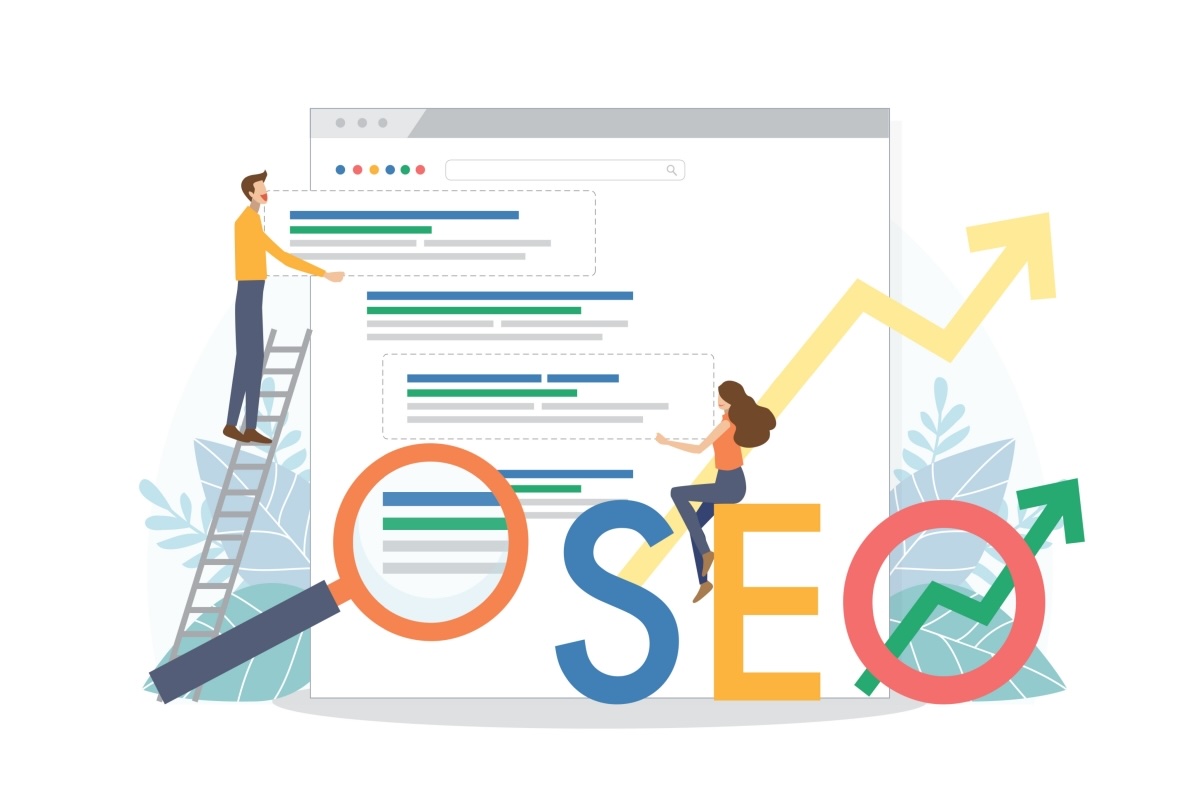
The key takeaway is that content must genuinely serve the needs of users, addressing their primary motivation for searching. It’s the main focus of every piece of published content.
This means that content designed to rank solely based on AI-generated keywords and mass content production will fall short.
How Does the Helpful Content Update Affect SEO Practices?
Google rolled out its Helpful Content system to root out scaled content abuse, the mass publication of AI-generated pages that add little value. Its March 2024 refresh alone cut low-quality results by 45%.
That means your Google AI content SEO playbook must evolve in three big ways:
- AI-generated content scrutiny: Google’s machine-learning models gauge “people-first” signals. A 2,000-word post spun from generative AI won’t pass if it rehashes other pages. Add unique data, quotes, or screenshots to your content so that the text feels unmistakably human.
- Expertise and authority signals: Include author bios, firsthand examples, and references to reputable sources. Google’s documentation stresses that experience beats regurgitation.
- Quality over quantity: Swap the “publish 5/day” mindset for an in-depth approach. A 1,500-word guide that answers a user’s intent (including pros, cons, and use cases) outperforms a dozen thin listicles.
AI Detection and SEO: A Double-Edged Sword
While AI has made content creation faster and more efficient, it has also introduced new challenges in SEO. One of the biggest concerns for digital marketers is how AI-generated content is detected by search engines.
Google’s evolving algorithm uses machine learning to determine the authenticity of content.
This means that AI tools like OpenAI’s GPT-4, when not used appropriately, may flag content as low-quality or spam.
How AI-Generated Content Is Identified and Why Detectors Aren’t Gospel
Google’s ranking systems look for helpful pages, not an “AI or human” label, so your team doesn’t have to use up all of their time trying to get an article rated 100% human with an AI detector before publishing.
Third-party tools, such as GPTZero, Originality.AI, and Copyleaks, analyze writing patterns (syntax, burstiness, predictability) to determine whether a text was machine-written. They’re helpful for basic checks, but accuracy on AI detectors can be spotty.
OpenAI shuttered its own text classifier in 2023 after admitting it had “a low rate of accuracy” in separating human from AI prose.
A June 2025 peer-reviewed study found GPTZero correctly flagged AI essays 80% of the time but still produced 10% false positives (human work called “AI”) and 35% false negatives.
Treat AI detectors as a second opinion, not a final diagnosis. Your safest bet is still publishing content that helps readers, no matter how it’s produced.
Understanding AI Search Trends and Their Impact on SEO
As AI evolves, its ability to interpret and predict search trends also evolves. Google’s AI tools now analyze user behavior patterns, preferences, and historical data to provide more accurate search results.
This means that understanding how to interpret search trends is crucial for marketers looking to stay ahead of the competition and optimize content for AI search.

How AI Analyzes Search Data
Google’s machine learning models, such as BERT and RankBrain, are designed to understand search queries in more human-like ways. They consider context, user intent, and even regional preferences when ranking content.
This AI-driven approach has transformed how marketers and SEO professionals approach keyword research and content strategy.
In practice, this shift means that keyword research now begins with mapping user intent and topical depth. Clustering phrases to explain the “why” behind a query, incorporating regional nuances, and creating content that fully addresses each intent, rather than merely matching individual words, is critical.
For example, writing a blog post based on a trending keyword without offering original insights or actionable advice could result in a high bounce rate. That indicates to Google that your content isn’t engaging the reader and providing the value they need, which is indicative of thin content that shouldn’t rank.
How to Adapt Your Content Strategy for Google’s AI Policies
Now that we understand the impact of Google’s AI policies, let’s discuss how you can adjust your content strategy for maximum effect.
Focus on Quality Content
Create content that goes beyond generic information and is backed by expertise. Google’s AI can spot shallow content from a mile away, so make sure your content provides authentic value.
Demonstrate E-E-A-T (Experience, Expertise, Authoritativeness, and Trustworthiness) by including personal insights, case studies, and practical examples that only someone with genuine field knowledge could provide.
Focus on addressing specific user pain points with actionable solutions rather than rehashing widely available information.

Blend AI and Human Effort
Use AI to generate outlines or assist in research, but have a human writer refine and personalize the content. This ensures it provides insight and creativity.
Leverage AI for efficiency while maintaining the human touch that adds authenticity and unique perspectives that algorithms value. Have human editors fact-check AI content and add personal anecdotes or industry insights that reflect real-world experience.
Adopt AI-First Tools
Tools like Jasper or Copy.ai can help with content ideation and drafts. However, ensure the final output is refined by a human writer to preserve authenticity and avoid AI flagging.
Use these tools as starting points for overcoming writer’s block or generating headlines and outlines. Always customize your AI-generated content to match your brand voice and add specific industry examples or current developments that AI tools might miss.
Regularly Review Google’s Algorithm Updates
Stay on top of Google’s AI-related updates, especially the Helpful Content Update. Make sure your content practices evolve with the algorithms.
Set up Google Alerts for algorithm updates and follow authoritative SEO news sources to stay informed. Regularly audit your existing content using Google Search Console to identify top performers and pieces that need updates to maintain rankings.
Scalable Content Solutions for Agencies
If you need to publish dozens, or even hundreds, of articles each month, you can’t afford to let quality slip.
Start by standardizing your process: define clear steps for every part of the workflow; from briefing through to drafting, SEO review, editing, and final approval. Using templates and checklists ensures that everyone knows exactly what “done” looks like, reducing back-and-forth and missed requirements.

Next, strike the right balance between automation and human expertise. Generative AI tools are great for topic research, outline generation, and first drafts, but you should always follow up with a human editing pass. That final review brings accuracy, consistent tone of voice, and genuine insights that elevate your content above generic output.
Assign clear roles within your team. Create an editorial calendar that outlines who owns each stage of the process, whether it’s the content manager mapping the topics, the writer crafting the first draft, the editor fine-tuning the prose, or the SEO specialist validating keywords and readability.
Use AI-detector scans and readability tests as hygiene checks, not as a substitute for real human judgment.
Finally, measure performance and iterate. Track organic traffic, dwell time, and conversion rates to spot pages that need refreshes or deeper coverage.
Expanding successful topic clusters and updating underperforming content in response to real data ensures your strategy stays aligned with both user needs and Google’s evolving algorithms.
Final Thoughts: Scale Smarter with Expert Support
Google’s AI policies are fundamentally changing how we approach SEO. The Helpful Content Update and AI detection systems aren’t obstacles to overcome; they’re opportunities to refine your strategy and create content that genuinely serves your audience.
When you prioritize authenticity and usefulness over gaming the system, you’re not just avoiding penalties but building a foundation for long-term success.
The system is designed to reward content that truly helps people. That’s the standard we should all be striving for.
Every agency knows the dilemma: clients want more content, but full-time writers mean fixed costs, benefits, and managing capacity during slow periods. You’re either overstaffed or scrambling to meet deadlines.
Contentellect gives you skilled writers without the overhead. Scale up for big campaigns, scale down when things are quiet, and consistently deliver quality content that keeps clients happy.
Ready to stop wrestling with content capacity? Check out our white label services today.
